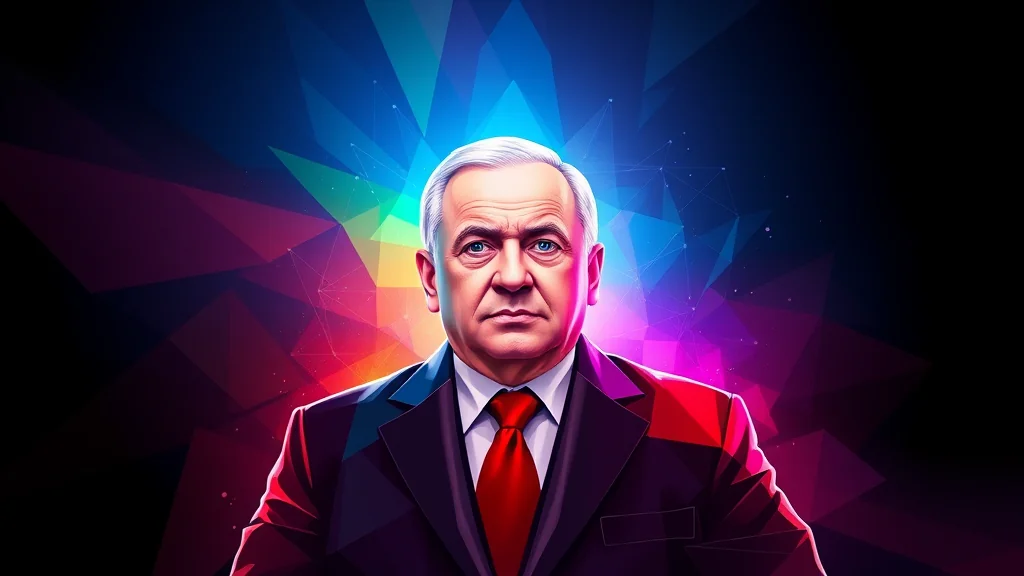
Belarusian President Alexander Lukashenko, often dubbed the “last dictator of Europe,” has been at the forefront of global political discourse for several years now. His tenacious grip on power and controversial domestic policies have made him a polarizing figure both within Belarus and internationally.
The Rise of Alexander Lukashenko
Since assuming office in 1994, Lukashenko has been instrumental in shaping the political landscape of Belarus. His authoritarian rule, characterized by strict control over media, judiciary, and opposition groups, has placed him under international scrutiny.
Lukashenko's International Relations
Belarus' strategic location between Russia and the European Union makes it a crucial player in geopolitical dynamics. Lukashenko’s oscillating relationship with Moscow and Brussels influences regional stability and economic policies. His close ties with Russian President Vladimir Putin have often overshadowed Belarus’ desire for sovereignty.
The 2020 Protests
Following the disputed presidential election in August 2020, massive protests erupted across Belarus demanding Lukashenko's resignation. These demonstrations highlighted growing discontent with his rule and brought international attention to human rights violations within the country.
The Global Impact of Alexander Lukashenko
Lukashenko’s actions have significant implications for regional security and stability. His decision to allow Russian military bases on Belarusian soil has raised concerns among NATO member states. Moreover, his reluctance to democratize and open up politically aligns him with other autocratic leaders globally.
Economic Policies
Belarus’ economy relies heavily on trade relations, particularly with Russia. Lukashenko’s economic policies are often seen as a balancing act between Western sanctions and Russian subsidies. This delicate balance affects not only Belarus but also its neighboring countries economically.
The Future of Alexander Lukashenko's Leadership
As Lukashenko approaches the end of his term, questions arise about succession planning and potential reforms within the country. The global community continues to watch closely for any signs of democratization or further entrenchment of authoritarianism.
Key Takeaways
- Lukashenko's long-standing rule in Belarus has significant geopolitical implications.
- The 2020 protests marked a turning point in public sentiment and international pressure on Lukashenko.
- Economic policies are intertwined with political decisions, impacting regional stability.
As the world watches the unfolding events in Belarus, Alexander Lukashenko remains at the center of discussions regarding democracy, human rights, and authoritarian governance. His future actions could redefine his legacy and shape the geopolitical landscape for years to come.