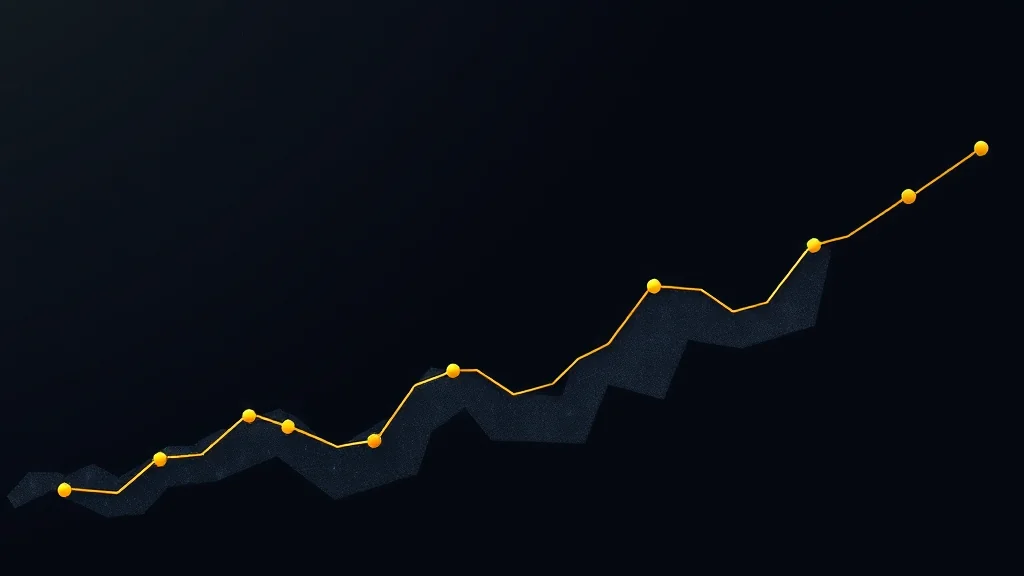
Exploring the Surge in Australian House Prices
The real estate market in Australia is currently witnessing a significant uptick in house prices, capturing the attention of homebuyers, property investors, and economists alike. This trend reflects broader economic shifts and policy changes that are influencing housing affordability and demand across major cities like Sydney, Melbourne, Brisbane, and Adelaide.
Key Drivers Behind Rising House Prices
- Economic Growth: Australia's economy has shown resilience despite global challenges such as the COVID-19 pandemic. Low interest rates from the Reserve Bank of Australia (RBA) have made borrowing cheaper, boosting consumer confidence and encouraging more people to enter the housing market.
- Population Growth: Migration trends, both domestic and international, are contributing to population growth, thereby increasing demand for housing in urban areas. This demographic shift is putting upward pressure on property prices as supply struggles to meet rising demand.
- Investor Activity: The real estate sector has traditionally been a favorite among investors seeking stable returns. As rental yields become more attractive compared to other investment options like bonds or shares, investor interest in Australian properties continues to rise.
The Role of Government Policies
Government initiatives aimed at supporting the economy during and after the pandemic have also played a role in boosting property prices. For instance, measures such as tax breaks for first-time homebuyers and grants for renovations have made homeownership more accessible but also contributed to increased competition among buyers.
Challenges Ahead
The rapid rise in house prices presents both opportunities and challenges. While it may be positive news for existing property owners, the affordability crisis remains a critical issue for first-time buyers who are struggling with high deposit requirements and limited borrowing power.
What to Expect Next?
- Mixed Outlook: Economic forecasts suggest that interest rates might start rising in 2024 as inflation pressures mount. This could temper the housing market's enthusiasm, potentially slowing down price growth.
- Increased Focus on Regional Areas: As urban centers become increasingly expensive, there is likely to be a growing interest in regional property markets where prices are more affordable and lifestyle benefits include larger living spaces and closer-knit communities.
In conclusion, the current surge in Australian house prices reflects a complex interplay of economic factors and government policies. While it offers opportunities for investment and homeownership, it also highlights ongoing challenges related to housing affordability. As such trends continue to evolve, staying informed about market dynamics will be crucial for all stakeholders involved.