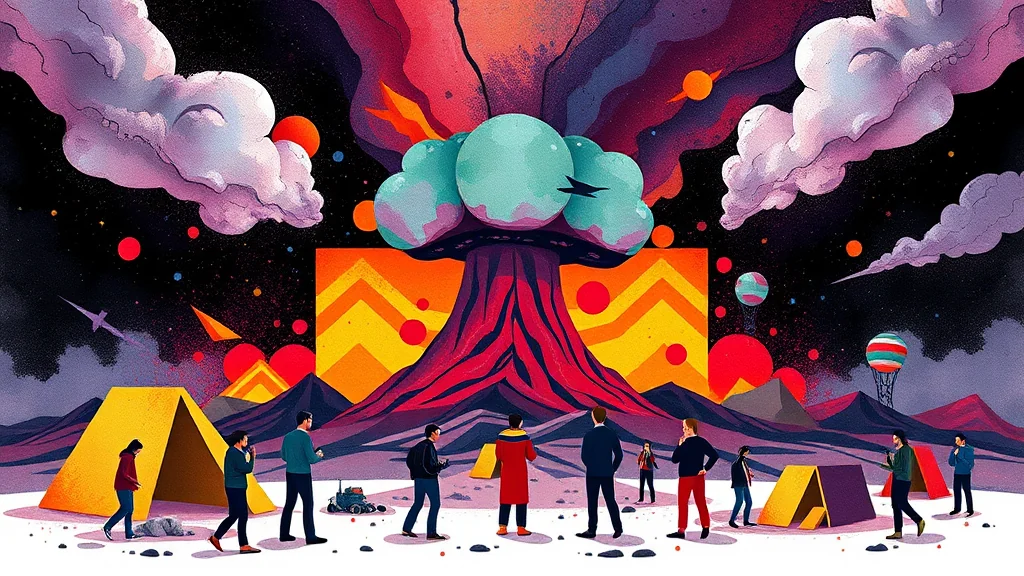
The term 'doomsday' has surged in popularity across Google Trends, capturing the zeitgeist of a world increasingly preoccupied with apocalyptic narratives. This trend isn't just confined to Hollywood blockbusters or dystopian novels; it reflects a growing societal interest in end-of-the-world scenarios and survival tactics. What drives this fascination? And what does it say about our current cultural climate?
Understanding the Doomsday Trend
Doomsday preparations, also known as prepping or survivalism, have a long history rooted in fears of societal collapse due to natural disasters, economic upheavals, pandemics, and even extraterrestrial threats. However, today's surge in interest goes beyond traditional survivalist ideologies. It encompasses a broader spectrum of concerns ranging from climate change and geopolitical tensions to technological disruptions.
Why is Doomsday Prepping Trending Now?
The current trend can be attributed to several factors:
- Economic Uncertainty: Global economic instability, exacerbated by events like the 2008 financial crisis and more recent recessions, fuels concerns about job security and personal finances.
- Pandemic Anxiety: The COVID-19 pandemic highlighted vulnerabilities in healthcare systems worldwide, prompting individuals to stockpile essentials and rethink emergency preparedness.
- Environmental Concerns: Climate change, natural disasters, and environmental degradation pose existential threats that challenge societal resilience.
- Social Media Influence: Platforms like YouTube, TikTok, and Twitter amplify survivalist content through viral challenges, expert interviews, and community forums dedicated to prepping.
The Psychological Aspect of Doomsday Prepping
Beyond practical concerns, there's a psychological dimension to doomsday preparations. The act of preparing for the worst can provide a sense of control over an unpredictable future. It allows individuals to confront fears and plan strategically, turning anxiety into action.
Key Details About Doomsday Prepping
Survival Gear: This includes everything from food rations and water filters to medical kits and communication devices. The market for survival gear has seen significant growth as more people invest in these items.
Skills Training: Preppers often engage in skills training such as first aid, gardening, and wilderness survival techniques to enhance their self-reliance.
The Role of Technology
Technological advancements play a crucial role in modern doomsday preparations. Apps like emergency notification systems and supply tracking tools help individuals manage resources efficiently during crises.
What to Expect Next
Doomsday prepping is likely to continue evolving as new threats emerge and technological solutions advance. The trend may also influence policy changes, public health initiatives, and corporate strategies aimed at enhancing global resilience against future disruptions.