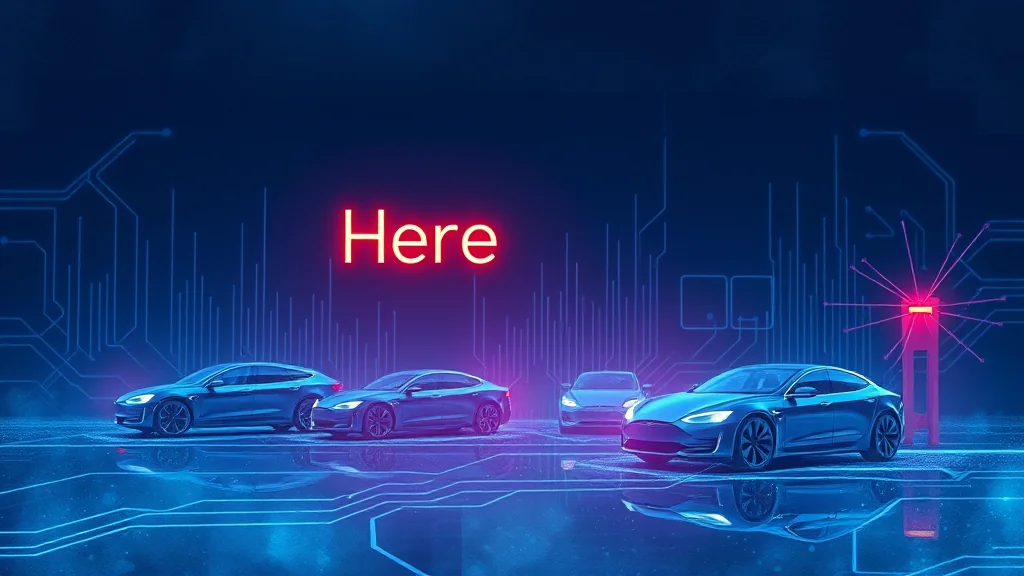
Electric Cars: The Future of Transportation is Here
The world's shift towards sustainability has sparked a significant interest in electric vehicles (EVs) as the preferred mode of transportation. With growing environmental concerns and technological advancements, electric cars are becoming more accessible and desirable than ever before.
What Are Electric Cars?
Electric cars, also known as EVs or battery electric vehicles (BEVs), run solely on electricity stored in rechargeable batteries. Unlike traditional gasoline-powered vehicles, they produce zero tailpipe emissions, making them a cleaner and more sustainable option for transportation.
Why Are Electric Cars Trending Now?
The rise of electric cars can be attributed to several factors:
- Sustainability: As the world becomes increasingly aware of climate change, there is a growing demand for eco-friendly solutions. Electric vehicles offer an effective way to reduce carbon footprints and combat air pollution.
- Advancements in Technology: Improvements in battery technology have led to longer driving ranges and faster charging times, making electric cars more practical for everyday use.
- Government Incentives: Many countries are offering financial incentives such as tax rebates, grants, and subsidies to encourage the adoption of EVs. These measures help lower the upfront cost of purchasing an electric car.
Key Details About Electric Cars
Electric vehicles come with several advantages:
- Economic Benefits: Operating costs for EVs are typically lower due to cheaper electricity rates compared to gasoline prices. Additionally, maintenance is simpler and less expensive because electric cars have fewer moving parts.
- Performance: Electric motors provide instant torque, resulting in quick acceleration and a smoother driving experience. This makes EVs particularly appealing for city driving scenarios where stop-and-go traffic is common.
- Range Anxiety: While the concern over limited range was once a significant barrier to adoption, modern electric cars can travel up to 300 miles on a single charge in some cases. Public charging infrastructure continues to expand globally, addressing this issue further.
What to Expect Next for Electric Cars?
The future of transportation is undoubtedly electric:
- Increased Adoption: As battery technology improves and costs continue to decline, more consumers will turn to EVs. By 2040, it's projected that over half of all new car sales could be electric.
- Broadening Infrastructure: Governments worldwide are investing heavily in the development of charging stations, ensuring widespread availability for drivers.
- Innovation: Car manufacturers are exploring new technologies such as solid-state batteries and wireless charging solutions to enhance performance and convenience further.
The shift towards electric vehicles represents a significant step forward in the quest for sustainable transportation. As society continues to prioritize environmental stewardship, electric cars will play an increasingly crucial role in shaping our future mobility landscape.