
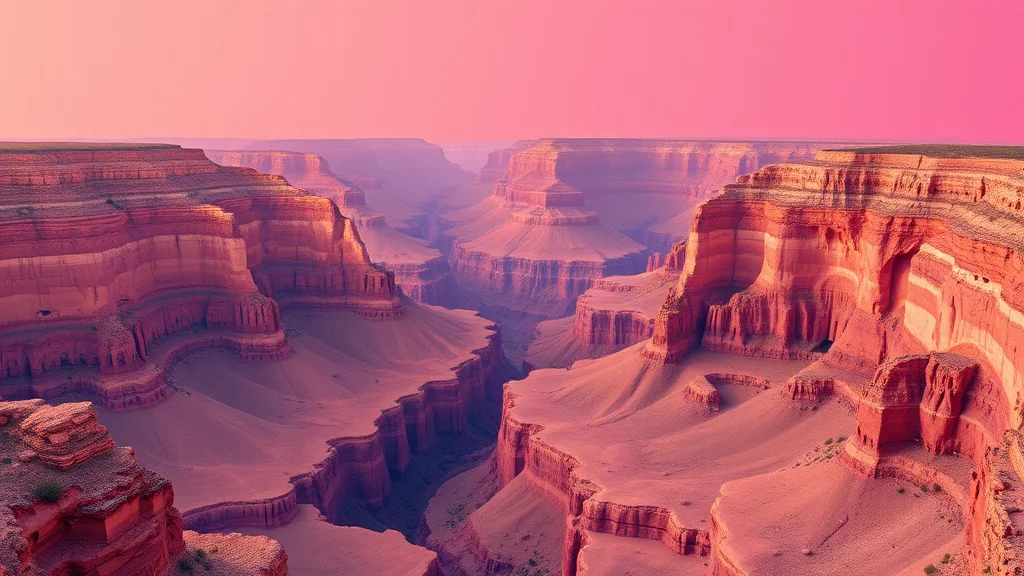
The Grand Canyon: A Natural Wonder of Global Proportions
As travel restrictions ease globally, one destination stands out in the hearts and minds of nature enthusiasts everywhere: the Grand Canyon. This colossal natural wonder has been capturing the imagination of travelers for centuries, but recent trends suggest it's more popular than ever before.
What is the Grand Canyon?
The Grand Canyon, located in Arizona, USA, is one of the world’s most iconic natural landmarks. Spanning over 277 miles long and up to 18 miles wide, with a depth of more than a mile, it is renowned for its awe-inspiring vistas and diverse landscapes. Carved by the Colorado River over millions of years, the canyon offers an incredible glimpse into Earth’s geological history.
Why is the Grand Canyon Trending Now?
- Travel Reopenings: With travel restrictions easing around the world, more people are venturing out to explore new places. The Grand Canyon's reopening has attracted a surge of visitors eager to reconnect with nature.
- Social Media Buzz: Stunning photos and videos shared on platforms like Instagram and TikTok have sparked increased interest in the canyon’s beauty and unique experiences.
Key Details About Visiting the Grand Canyon
Whether you're a first-time visitor or returning to this natural wonder, here are some essential details:
- Must-See Views: Don’t miss the breathtaking viewpoints such as Mather Point and Desert View Drive.
- Hiking Adventures: For those seeking an adrenaline rush, there are numerous hiking trails ranging from easy walks to more challenging paths like the Bright Angel Trail.
- Night Sky Programs: The Grand Canyon is also a prime spot for stargazing due to its remote location and clear skies. Attend night sky programs hosted by park rangers to learn about constellations and star formations.
What's Next for the Grand Canyon?
The future of this natural wonder looks bright with continued efforts towards sustainability and preservation. The National Park Service is implementing new initiatives to protect wildlife habitats, reduce visitor impacts on fragile ecosystems, and enhance educational opportunities.



