Greenland's Melting Ice Sheets: A Global Climate Crisis
The search interest in Greenland highlights a growing concern over the significant impacts of melting ice sheets, not just for local ecosystems but also for global climate stability and sea level rise. This trend reflects an urgent need to understand the broader implications of these changes on our planet.
What is it?
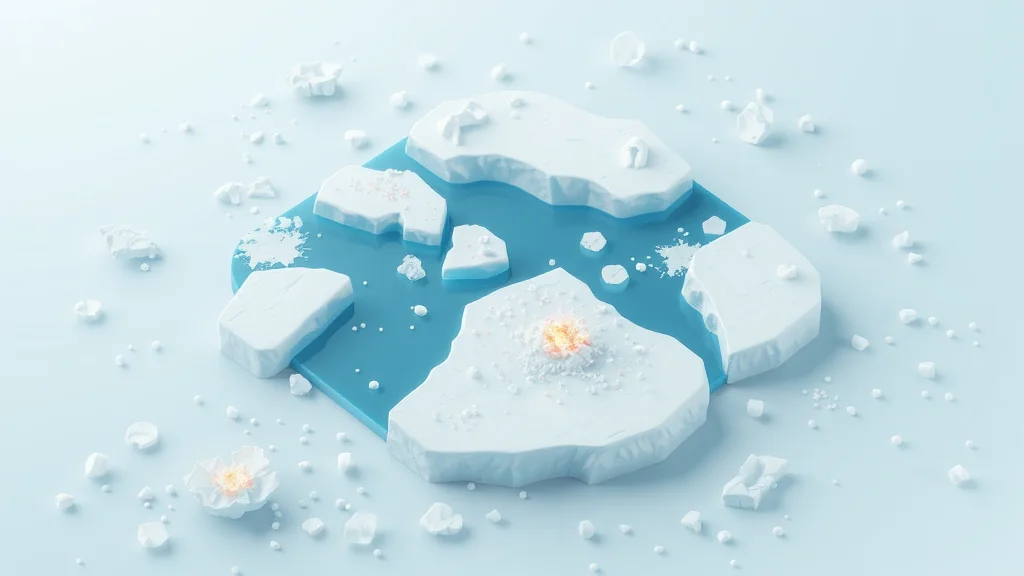
Greenland's ice sheet, one of the largest in the world, has been undergoing rapid melting due to rising global temperatures. The ice sheet covers about 80% of Greenland and contains enough water to raise global sea levels by around seven meters if completely melted. This process is not just a local issue but has far-reaching consequences for coastal communities worldwide.
Why is it Trending Now?
The recent increase in search interest correlates with new scientific studies and reports that highlight the accelerating rate of ice sheet loss in Greenland. These findings underscore the immediate threat posed by climate change to polar regions, emphasizing the need for global action to mitigate further environmental damage.
Key Details
- Rapid Ice Loss: Data from NASA and other research institutions indicate that Greenland lost over 250 gigatons of ice per year between 2011-2020, nearly twice the rate observed in the previous decade.
- Sea Level Rise: The melting ice contributes significantly to rising sea levels globally. Coastal cities face increased flooding risks and infrastructure damage as a result.
- Cultural Impact: Indigenous communities, particularly the Inuit population in Greenland, are deeply affected by these changes. Traditional ways of life and environmental resources are being disrupted.
The trend also highlights the interconnectedness of global climate issues. While Greenland might seem distant from many people's daily lives, its ice loss directly affects millions living near coastlines around the world.
What to Expect Next
In coming years, we can anticipate more research focusing on understanding and predicting future changes in Greenland’s ice dynamics. International cooperation will be crucial for developing strategies that address both mitigation and adaptation to climate change impacts.
The urgency of addressing this crisis cannot be overstated. As global leaders and communities continue to grapple with the challenges posed by climate change, understanding the role of Greenland's ice sheets in shaping our planet's future becomes increasingly important.