How Mario Bros. Embody the Pareto Principle
The Pareto Principle, also known as the 80/20 rule, suggests that roughly 80% of outcomes come from 20% of causes. In business and economics, this principle is widely recognized for its application in optimizing productivity and efficiency. But did you know that iconic video game characters like Mario and Luigi also exemplify this concept? The Pareto Principle isn't just about balancing workloads; it's a guiding light in the design philosophy behind some of the most beloved games in history.
What is the Pareto Principle?
The Pareto Principle was named after Italian economist Vilfredo Pareto, who observed that 80% of Italy’s wealth belonged to only 20% of its population. This principle has since been applied across various fields, including business management and software development. The key takeaway is that a small set of efforts often yields the majority of results.
How Mario Bros. Fits into the Pareto Principle
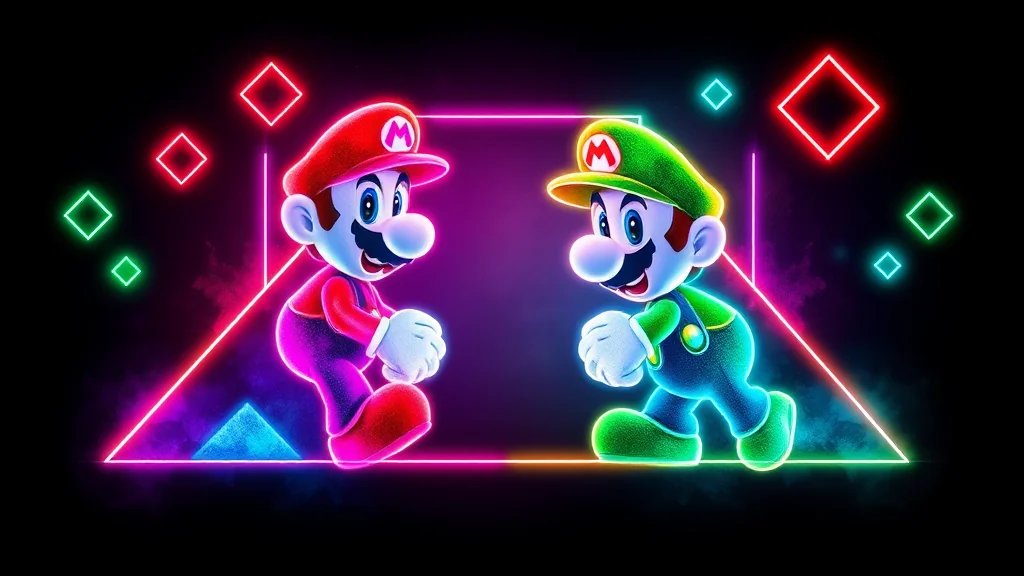
Mario, created by Nintendo in 1985, has become an enduring symbol of simplicity and efficiency in game design. The core gameplay mechanics are straightforward: jump over obstacles, collect coins, and defeat enemies to progress through levels. Despite their simplicity, these elements provide endless engagement for players, embodying the Pareto Principle’s emphasis on maximizing impact from minimal inputs.
Efficiency in Design
Mario Bros.’ design philosophy is rooted in providing an engaging experience without overwhelming complexity. Each level offers a unique challenge but adheres to familiar mechanics, ensuring players can quickly grasp the rules and focus on strategic play rather than learning new controls.
Prioritization of Key Features
The 80/20 rule highlights the importance of focusing on critical features. In Mario Bros., jumping is a central mechanic that influences nearly all aspects of gameplay, from platform traversal to enemy encounters. By prioritizing this single action, developers ensure players can achieve most objectives through proficient use of one skill.
Relevance Today
The trend of applying the Pareto Principle to Mario Bros. is gaining traction as more people recognize its broader implications in game design and beyond. As games continue to evolve with increasingly complex mechanics, understanding how foundational elements like those in Super Mario can provide maximum engagement remains crucial.
Future Implications
The Pareto Principle’s application to gaming suggests a continued emphasis on streamlined gameplay and efficient feature sets. Future game developers may look towards the simplicity of Mario Bros.’ design as a blueprint for achieving high player satisfaction with minimal complexity. This trend is not just confined to retro-style games; even modern titles can benefit from focusing on core mechanics.
Conclusion
The relationship between Mario Bros. and the Pareto Principle underscores how timeless principles of efficiency and prioritization remain relevant in today’s fast-paced digital world. As gaming continues to evolve, understanding these foundational concepts will be key for both creators and players alike.