The Intense Rivalry Between India and Pakistan: A Global Trend
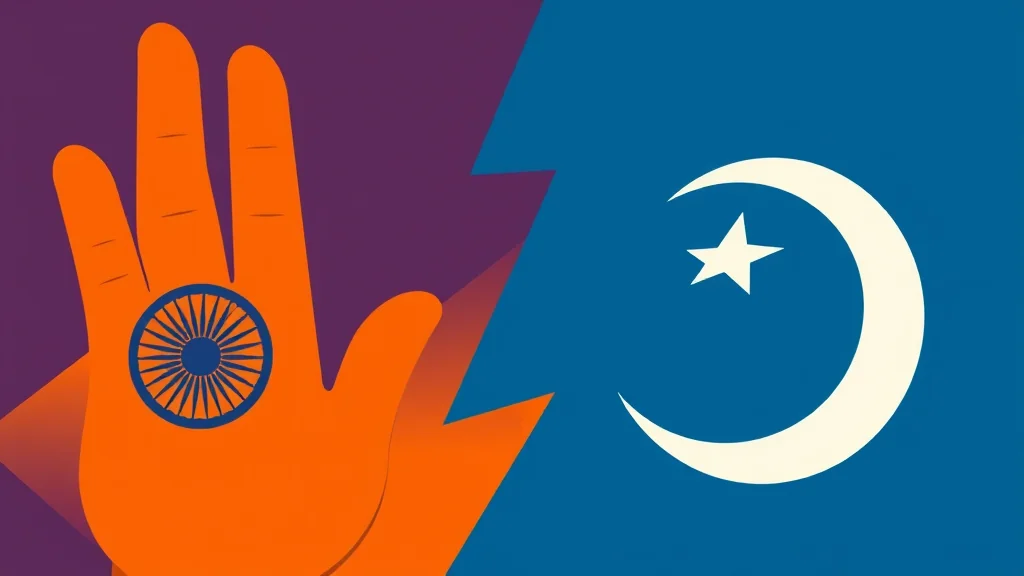
The longstanding tension between India and Pakistan continues to captivate global audiences, with frequent searches reflecting the complex political and cultural dynamics of this historic rivalry. This article delves into what makes their relationship so contentious and why it remains a trending topic on Google Trends.
What Is It?
The rivalry between India and Pakistan is rooted in historical events dating back to 1947 when the two countries gained independence from British colonial rule. The partition of India led to the creation of Pakistan, resulting in a violent displacement of millions of people across religious lines. Since then, both nations have engaged in several military conflicts, territorial disputes over Kashmir, and nuclear arsenals.
Why Is It Trending Now?
The current surge in global interest is due to recent developments such as diplomatic tensions, cross-border skirmishes, and ongoing discussions about trade relations. Additionally, cultural exchanges like cricket matches continue to draw attention to the relationship between these two nations.
Key Details
- Historical Context: Partition of India in 1947 led to mass migration and violence along religious lines.
- Military Conflicts: Both countries have engaged in several wars, including the Indo-Pakistani War of 1947-48, 1965, 1971, and Kargil conflict in 1999.
- Territorial Disputes: The Kashmir region remains a focal point of contention between the two nations.
- Nuclear Arms Race: Both India and Pakistan have nuclear arsenals, adding a new dimension to their rivalry.
What to Expect Next?
The future of India-Pakistan relations remains uncertain. While both countries are aware of the need for peaceful coexistence and economic cooperation, there is also concern over potential flashpoints that could escalate into conflict. Diplomatic efforts will continue to focus on resolving territorial disputes, enhancing trade ties, and fostering people-to-people contact through cultural exchanges.