What Is Kratom?
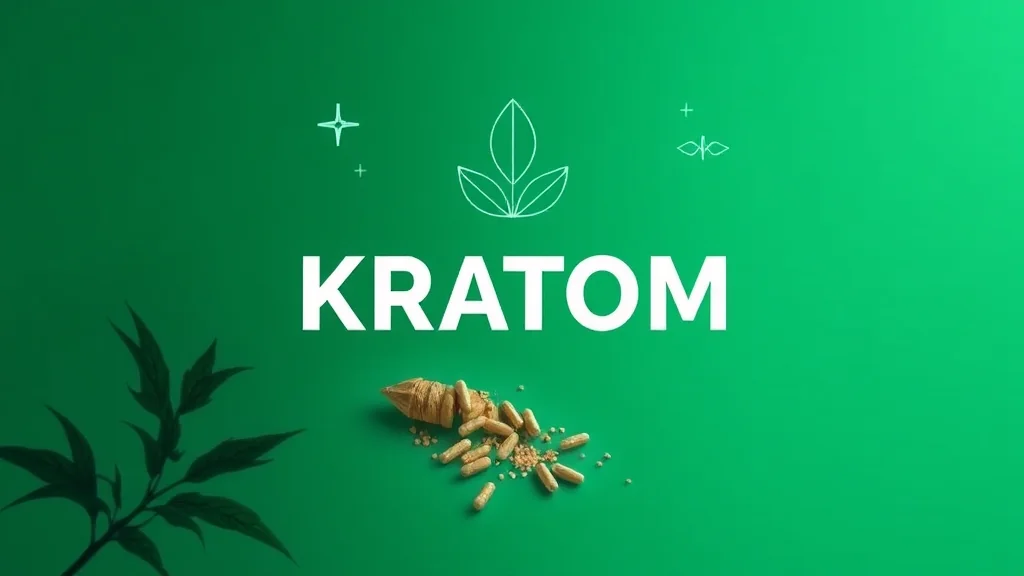
Kratom (Mitragyna speciosa) is a tropical evergreen tree native to Southeast Asia, particularly Thailand, Malaysia, Indonesia, and Papua New Guinea. The leaves of this plant contain psychoactive compounds that have been used for centuries in traditional medicine for their stimulant effects at lower doses and sedative properties at higher doses.
Why Is Kratom Trending Now?
In recent years, kratom has gained significant popularity in the United States as a supplement marketed for its alleged medicinal benefits. These include pain relief, anxiety reduction, mood enhancement, and addiction treatment. However, this newfound fame is accompanied by intense scrutiny over its safety and legality.
Legal Status
Kratom's legal status varies widely across the globe. In the US, it is currently unregulated at a federal level but has been banned in several states due to health concerns and lack of scientific evidence supporting its efficacy and safety. This patchwork of regulations adds to consumer confusion.
Key Details About Kratom
- Psychoactive Compounds: Two primary alkaloids, mitragynine and 7-hydroxymitragynine, are responsible for kratom's effects. These compounds interact with opioid receptors in the brain.
- Mechanism of Action: Kratom acts on mu-opioid receptor pathways, mimicking certain opiate-like effects but without the same level of respiratory depression risk associated with opioids.
- Health Risks: Despite anecdotal claims of effectiveness for pain management and opioid withdrawal symptoms, there is limited scientific research supporting these benefits. Potential side effects include nausea, vomiting, dizziness, constipation, and addiction.
Cultural Impact
The use of kratom has expanded beyond its traditional Southeast Asian context into Western cultures seeking natural alternatives for managing pain or overcoming substance dependencies. Social media platforms play a significant role in spreading information about this supplement among enthusiasts who share personal experiences and testimonials.
Future Prospects for Kratom
- Regulatory Changes: Ongoing debates may lead to more stringent regulations or possibly FDA approval if sufficient clinical trials demonstrate safety and efficacy.
- Scientific Research: Continued investigation into kratom's pharmacology will help clarify its therapeutic potential versus risks.
Conclusion
Kratom's rise in popularity reflects broader trends towards natural remedies and self-medication solutions. While it offers intriguing possibilities for addressing certain health conditions, caution is warranted until more definitive data emerges regarding its safety profile.