Understanding Mexico's Independence Day: The Significance Behind El Grito de Dolores
Mexico's Independence Day, also known as El Día de la Independencia or more commonly referred to as the El Grito de Dolores, is a pivotal moment in Mexican history and culture. This annual celebration commemorates the day Father Miguel Hidalgo y Costilla made his famous call for Mexico’s independence from Spanish rule on September 16, 1810.
The History Behind El Grito de Dolores
On the morning of September 16, 1810, in the small town of Dolores (now Dolores Hidalgo), Father Miguel Hidalgo y Costilla rang his church bell to summon his parishioners. He then delivered a speech that would become known as El Grito de Dolores, calling for Mexico’s independence from Spain and encouraging people to take up arms against the colonial rule.
This momentous event marked the beginning of the Mexican War of Independence, which lasted over a decade before Mexico finally achieved its freedom in 1821. Today, El Grito de Dolores is celebrated annually across Mexico and around the world as a testament to the nation's struggle for sovereignty.
Why Is It Trending Now?
Mexico’s Independence Day has been gaining traction on social media platforms and trending globally due to its rich cultural significance and spectacular celebrations. People worldwide are curious about how Mexicans celebrate this historic day, leading to increased interest in the traditions and festivities surrounding El Grito de Dolores.
The global curiosity around Mexico’s Independence Day can also be attributed to the country's growing influence on the international stage. As Mexico continues to play a significant role in various sectors such as technology, business, and arts, there is an increasing desire to understand its cultural heritage.
Key Details of El Grito de Dolores
Ceremonial Call: The centerpiece of the celebrations involves reenacting Father Hidalgo’s call to independence. This is done by Mexico's President and other officials across the country, who shout Viva México! three times.
- Bell-Ringing Ceremony: Traditionally, bells are rung at 12 AM on September 15th to announce the beginning of El Grito. This is followed by speeches and parades in various cities.
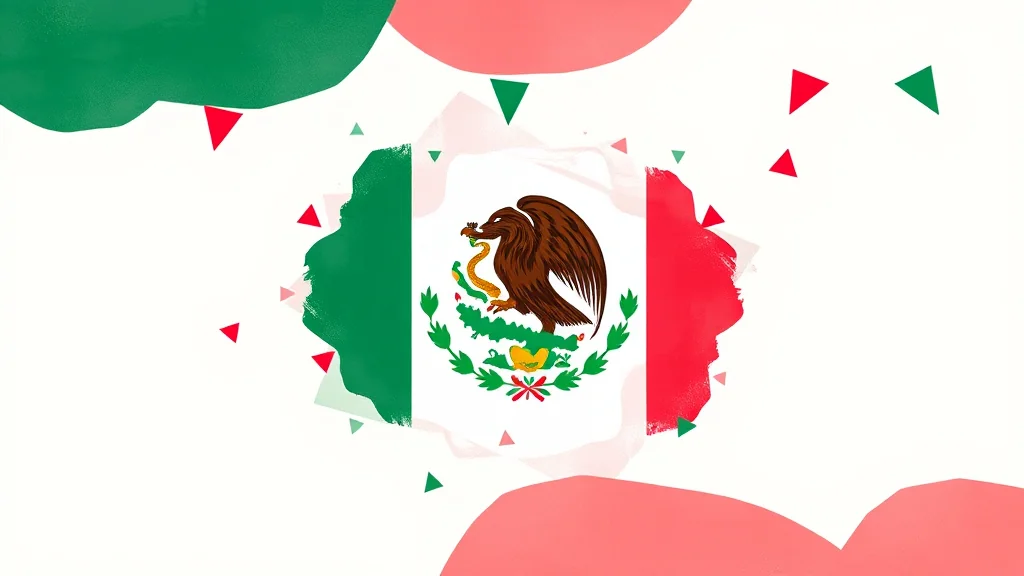
- Patriotic Displays: Fireworks light up the night sky as a symbol of freedom and joy, with many Mexicans dressing in green, white, and red—the colors of their national flag—to celebrate their heritage proudly.
- Cultural Events: Festivals, concerts, and food fairs are held throughout the day to commemorate Mexico's cultural diversity. Traditional foods such as chiles en nogada (peppers in walnut sauce) become popular during this time.
What Can You Expect Next?
The trend surrounding El Grito de Dolores is likely to continue growing, especially with the increasing globalization of cultural events. As more people around the world seek to understand and appreciate Mexican culture, there will be greater interest in how this historic day is celebrated.
Moreover, as Mexico’s economy continues to develop and diversify, its influence on global markets may lead to even more significant celebrations of El Grito de Dolores outside of Mexico. Expect to see more virtual events, cultural exchanges, and educational initiatives highlighting the importance of this day in Mexican history.