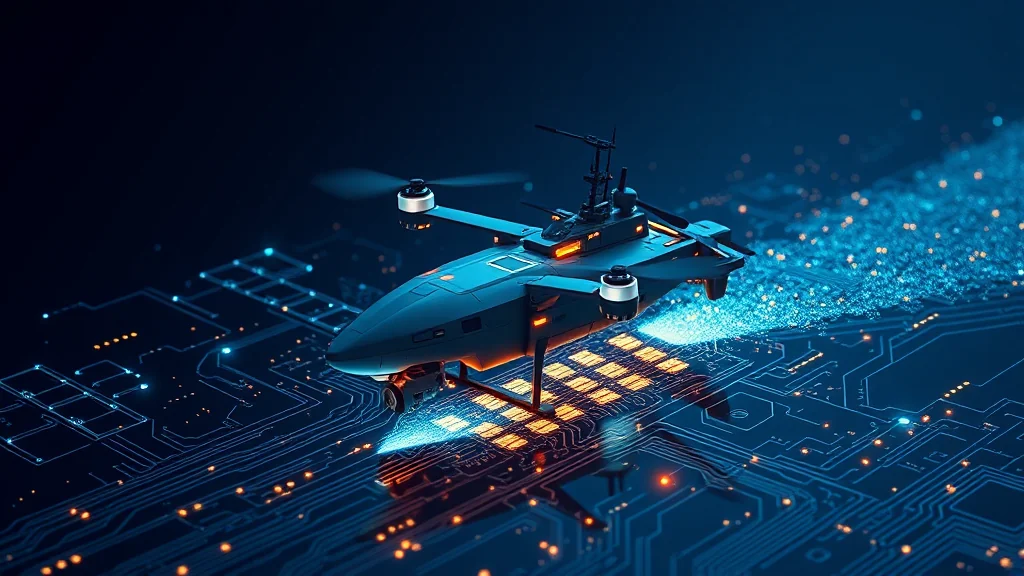
Naval Surface Drone Technology Takes Flight: A New Era of Maritime Defense
The term 'drone de surface navale' is trending, indicating a surge in interest around advanced maritime defense technology. These naval surface drones are poised to revolutionize surveillance and combat capabilities on the seas, offering unprecedented levels of protection for military vessels and strategic assets.
What Are Naval Surface Drones?
Naval surface drones refer to unmanned vehicles designed specifically for operation on water bodies such as oceans, rivers, and lakes. These autonomous or remotely controlled devices are equipped with cutting-edge technology that enables them to perform a range of critical tasks, including reconnaissance, surveillance, target acquisition, communication relay, mine detection and neutralization, and even offensive operations.
Why Is This Trending Now?
The growing interest in naval surface drones can be attributed to several factors:
- Technological Advancements: Recent breakthroughs in artificial intelligence, robotics, and sensor technology have made it possible for these drones to operate autonomously over long distances with high precision.
- Strategic Necessities: As geopolitical tensions rise globally, nations are seeking innovative solutions to enhance their maritime defense capabilities without escalating costs or risks associated with manned operations.
- Economic Feasibility: Compared to traditional naval vessels, surface drones offer a more cost-effective alternative for maintaining continuous surveillance and patrolling large areas of waterways.
Key Details About Naval Surface Drones
The development and deployment of naval surface drones are driven by multiple technological innovations:
- Sensor Integration: Equipped with advanced sensors, these drones can detect threats from various distances using radar systems, sonar arrays, optical cameras, and infrared detectors.
- Autonomous Navigation: Utilizing GPS and AI algorithms for navigation, these unmanned vehicles can navigate autonomously, adapting to changing environmental conditions in real-time.
- Multi-Mission Capabilities: Naval surface drones are designed for versatility, capable of performing both defensive and offensive missions as required by the situation.
What To Expect Next
The future looks promising for naval surface drone technology. As research continues to advance, we can anticipate:
- Enhanced Interoperability: Increased collaboration between different nations and defense agencies will lead to more interoperable systems that work seamlessly together.
- Increased Automation: Continued development of AI and machine learning technologies will allow drones to operate with even greater autonomy, reducing the need for human intervention in routine tasks.
- Broadened Applications: Beyond military uses, naval surface drones are expected to find applications in environmental monitoring, search-and-rescue operations, and commercial shipping lanes.