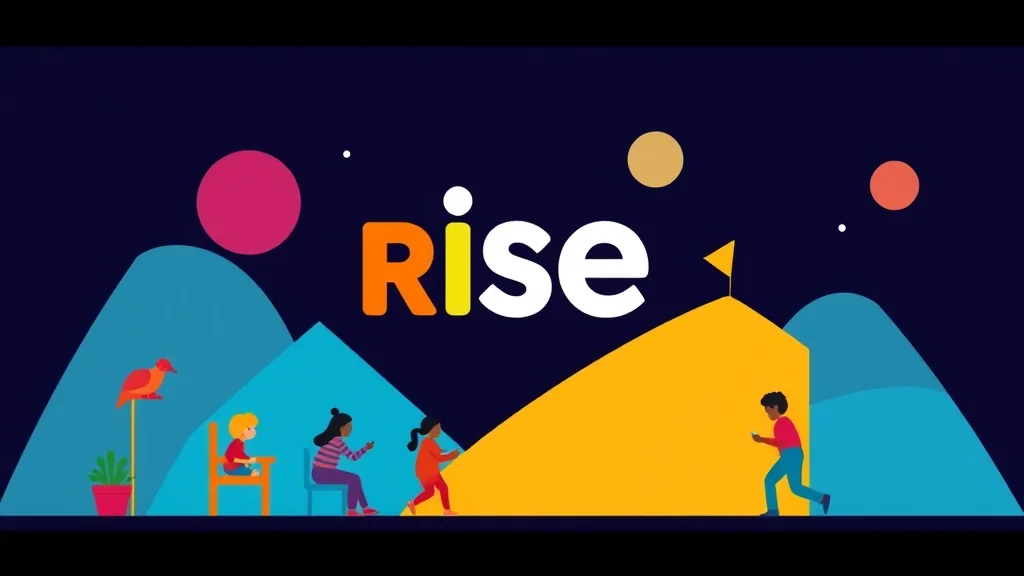
The Rise of Preschool Education Trends in the United States
Preschool education has become a significant focus for American parents seeking to give their young ones a head start in life. As interest continues to grow, it's essential to understand what these trends are and why they are becoming increasingly popular.
What is Preschool Education?
Preschool education refers to the early childhood learning programs designed for children aged three to five years old. These programs aim to provide a structured environment that encourages social, emotional, cognitive, and physical development in young learners before they enter primary school.
The Current Trend
Data from Google Trends shows an increasing interest in preschool education over the past few years, particularly as families look for ways to foster early learning opportunities. The trend reflects a broader shift towards recognizing the importance of quality early childhood experiences in laying strong foundations for future academic success.
Why is Preschool Education Trending Now?
- Evidence-Based Benefits: Studies continue to highlight how early education positively impacts brain development, literacy skills, and social-emotional growth. Parents are more aware of these advantages and are seeking out programs that can provide such benefits.
- Increased Accessibility: With growing public awareness about the value of early childhood education, there's an increase in government-funded initiatives and private sector offerings making preschool options available to a wider range of families.
- Digital Learning Integration: The pandemic accelerated the adoption of technology in educational settings. Many preschools are now integrating digital tools into their curricula to enhance learning experiences while maintaining traditional hands-on activities.
Key Details
The rise of interest in preschool education is not just about numbers; it's also about quality and innovation:
- Diverse Curriculums: Modern preschools offer a variety of specialized programs that cater to different learning styles and developmental needs.
- Cultural Competency: A growing emphasis on cultural diversity ensures that children learn to appreciate and respect differences from an early age.
- Parental Involvement: Many preschools encourage active parental engagement, understanding the importance of family support in a child's educational journey.
What to Expect Next
The future of preschool education looks promising with several anticipated developments:
- Growing Research & Innovation: Continued research will likely lead to new teaching methods and technologies designed specifically for early learners.
- Broadening Access: Efforts to increase access to quality preschool programs across all socio-economic backgrounds are expected, aiming to bridge educational gaps from an early age.
- Sustainability & Ethics: As environmental awareness grows, we might see more eco-friendly and sustainable practices incorporated into preschool curricula.
In conclusion, the rise of interest in preschool education trends reflects a growing recognition of its critical role in shaping young minds. With ongoing advancements and innovations, the future of early childhood learning looks bright indeed.