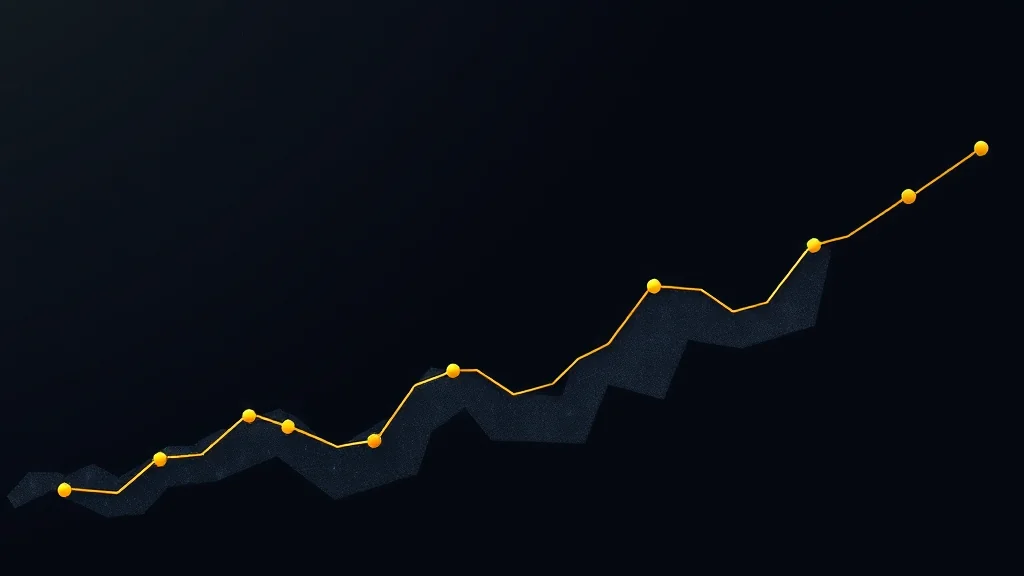
The Rising Retirement Age: A Global Trend Analysis
In recent years, the discussion around retirement age has become increasingly prominent worldwide. As populations age and life expectancy rises, governments are reevaluating pension systems to ensure financial sustainability for future generations. This trend is not just about extending working lives; it also speaks to broader economic shifts and societal changes.
Why Is It Trending Now?
The global trend of raising the retirement age can be attributed to several key factors:
- Demographic Changes: As birth rates decline and life expectancy increases, more people are living longer lives. This demographic shift puts pressure on pension systems that were designed with shorter lifespans in mind.
- Economic Pressures: Prolonged economic downturns have depleted pension funds, prompting governments to seek ways to extend the contribution period for workers.
- Social Security Concerns: Many countries are facing financial challenges with their social security systems. Raising the retirement age helps alleviate these pressures by extending the period during which individuals contribute to pensions.
Key Details of the Rising Retirement Age Trend
The trend towards higher retirement ages is not uniform across all countries, but it is certainly widespread:
- Europe: Several European nations have already increased their mandatory retirement age or are in the process of doing so. For instance, France raised its retirement age from 60 to 62 in recent years.
- Asia-Pacific: Countries like Japan and South Korea are also grappling with aging populations and have begun implementing measures to raise the retirement threshold.
In addition to these broad trends, there are specific challenges faced by different regions. For example, in countries where healthcare costs are high relative to income levels, extending working years helps individuals build up more savings for medical expenses later in life.
What Can We Expect Next?
The trend towards higher retirement ages is likely to continue as governments seek sustainable solutions to aging populations and strained pension systems. However, this does not mean that all countries will follow the same path:
- Innovative Policies: Some nations might introduce flexible retirement options or phased transitions into full retirement to balance economic needs with employee well-being.
- Social and Political Impact: There could be significant social and political consequences if governments fail to address the concerns of older workers who are forced to continue working past their preferred retirement age.
The rise in retirement age is part of a larger conversation about how societies can adapt to longer lifespans and changing economic landscapes. As we move forward, it will be crucial for policymakers, businesses, and individuals to collaborate on finding balanced solutions that promote both financial security and personal well-being.