Introduction to Solid-State Batteries
The world is on the brink of a technological revolution, driven largely by advancements in energy storage technology. One such innovation that has been gaining significant traction is solid-state batteries. These cutting-edge devices promise to transform how we power our everyday gadgets and vehicles by offering higher capacity and enhanced safety compared to traditional lithium-ion batteries.
What Are Solid-State Batteries?
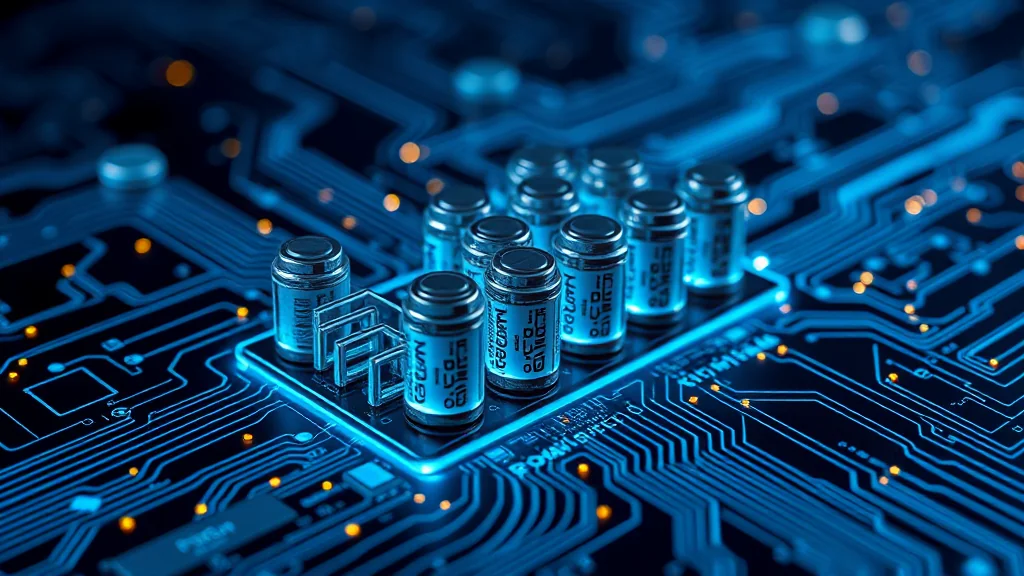
Solid-state batteries are a new generation of rechargeable cells that replace the liquid or gel electrolytes found in conventional lithium-ion batteries with solid materials. This fundamental change offers several advantages, including increased energy density, reduced flammability, and longer lifespan.
Key Components
- Anode: Typically made of lithium metal or silicon for high-capacity storage.
- Cathode: Often composed of lithium-based compounds to ensure stability and efficiency.
- Solid Electrolyte: This is the heart of solid-state batteries, providing a safe and efficient medium for ion transfer without the risk of leakage or flammability associated with liquid electrolytes.
Why Are Solid-State Batteries Trending Now?
The interest in solid-state batteries is soaring due to several compelling reasons:
- Battery Safety: Traditional lithium-ion batteries pose a risk of thermal runaway and fires, which solid-state batteries mitigate with their non-flammable electrolyte.
- Energy Density: Solid-state batteries can store more energy in the same volume compared to conventional cells, making them ideal for electric vehicles (EVs) that require extended range.
- Lifespan and Durability: With fewer moving parts and reduced chemical reactions, solid-state batteries are expected to last longer and maintain performance better over time.
Impact on Electric Vehicles
The automotive industry is particularly excited about the potential of solid-state batteries. As EV adoption grows globally, there's a pressing need for more efficient and safer battery technology. Solid-state batteries could significantly enhance the range and reliability of electric cars, making them even more appealing to consumers.
Challenges Ahead
Despite their promise, solid-state batteries face significant hurdles before they can be widely adopted:
- Manufacturing Cost: The current high cost of production is a barrier to widespread adoption.
- Scalability: Developing the infrastructure for mass manufacturing remains a challenge.
- Technological Maturity: Further research and development are needed to address issues such as cycle life and charge times.
The Future of Solid-State Batteries
As the technology matures, solid-state batteries are expected to play a pivotal role in shaping the future of energy storage. Innovations in materials science and manufacturing processes will continue to drive down costs and improve performance.
Emerging Applications
- Portable Electronics: Smaller devices like smartphones, wearables, and drones could see significant improvements in battery life and safety.
- Renewable Energy Storage: Grid-scale applications for storing renewable energy will benefit from the high capacity and long lifespan of solid-state batteries.
Conclusion
The rise of solid-state batteries represents a promising chapter in the evolution of energy storage technology. While challenges remain, the potential benefits are substantial, making this an area to watch closely for innovators and consumers alike.