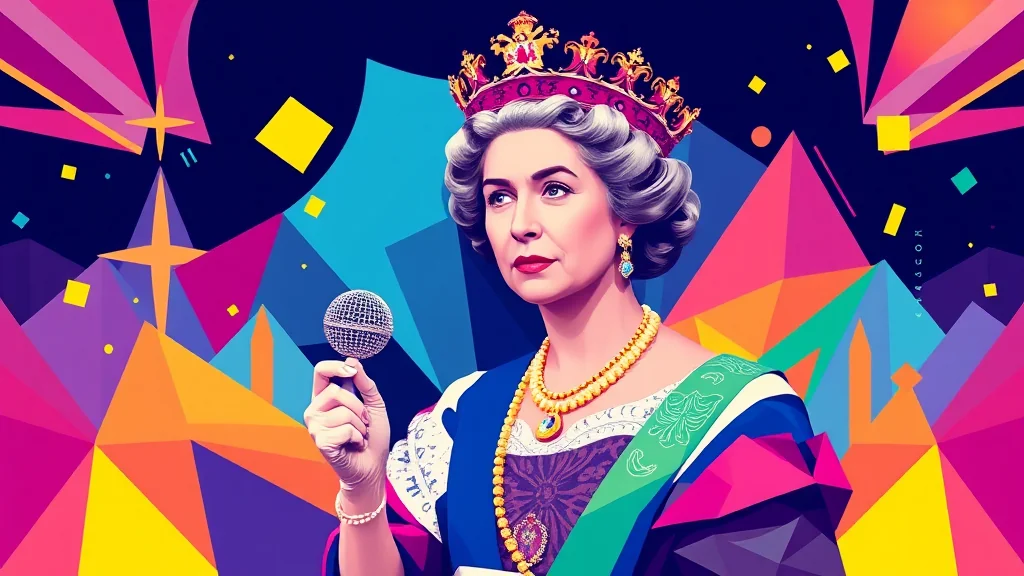
Exploring the Impact of Monarchy on British Culture: The Queen's Legacy
The recent resurgence of interest in 'Queens' across Google searches signals a growing fascination with the cultural significance of monarchies, particularly focusing on the enduring legacy of Queen Elizabeth II and her influence on British culture. As discussions around royal events and historical figures gain traction globally, it is essential to delve into how the monarchy has shaped societal norms, traditions, and identity in Britain.
What Is It?
The concept of a monarchy as a central institution within a nation's political framework dates back centuries. In Britain, the Crown represents continuity, stability, and national unity. The role of the monarch transcends politics; it encapsulates a blend of ceremonial duties, constitutional obligations, and symbolic representation.
Queen Elizabeth II, who reigned for over seven decades, embodied this multifaceted role with unparalleled grace and longevity. Her reign witnessed significant changes in British society and global geopolitics, yet she remained a constant presence, symbolizing resilience and continuity through times of great change.
Why Is It Trending Now?
The renewed interest in the monarchy and Queen Elizabeth II can be attributed to several factors:
- Historical Milestones: Key events such as coronations, jubilees, and anniversaries often spark public curiosity about royal history.
- Social Media Influence: Platforms like Twitter, Instagram, and YouTube have amplified discussions around the monarchy, making them accessible to a wider audience.
- Cultural Representation: The portrayal of Queen Elizabeth II in recent films and TV series has reignited interest among younger generations who may not have experienced her reign firsthand.
Key Details
The impact of the monarchy on British culture is profound, influencing various aspects including:
- National Identity: The Crown serves as a unifying symbol across diverse communities within Britain and its global diaspora. It represents shared values and heritage.
- Economic Contributions: Tourism and the royal family's involvement in charity work significantly boost economic activities, highlighting their social and financial impact.
- Social Ceremonies: Royal events such as weddings and funerals are not just private affairs but national celebrations that draw international attention.
What to Expect Next
The future of the British monarchy continues to evolve. As younger generations ascend to key roles, there is a blend of traditional continuity with modern adaptation. Prince William's increasing prominence and potential ascension are already shaping discussions about how the institution will continue to influence culture and politics.
Furthermore, the legacy of Queen Elizabeth II remains an enduring topic for exploration and reflection. Her impact on British society and global diplomacy ensures that her story will remain a subject of fascination for years to come.