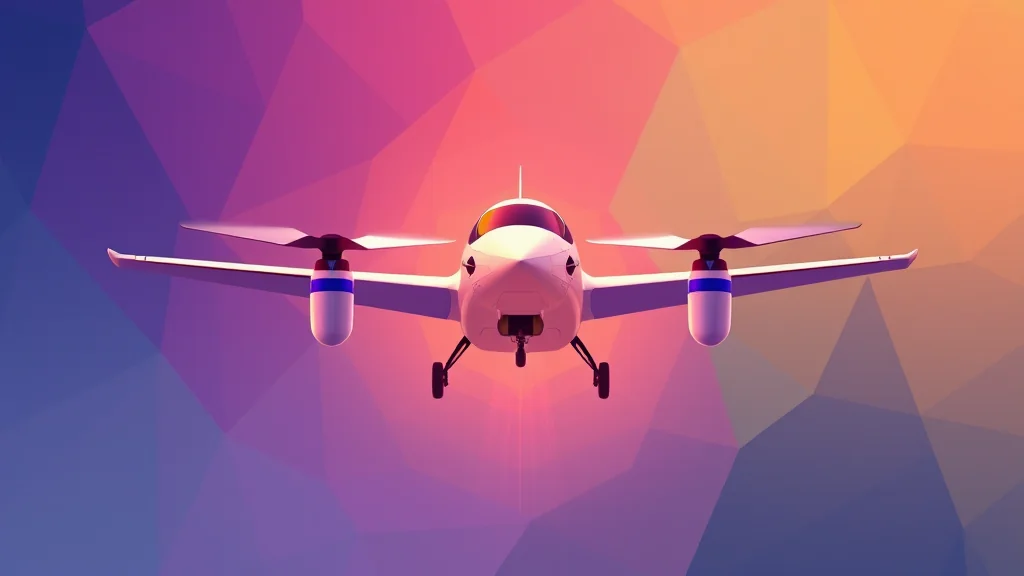
The Rise of Remote Piloting: How Technology is Changing Aviation
Advancements in remote piloting technology are reshaping the landscape of commercial and military aviation, promising a new era of safety, efficiency, and innovation. As aircraft become more connected to ground-based control systems, pilots can operate planes remotely, enhancing decision-making processes while reducing human error risks.
What is Remote Piloting?
Remote piloting involves controlling an aircraft from a distant location using advanced communication networks and sophisticated software interfaces. This technology allows pilots to monitor and manage flight operations without physically being inside the cockpit. It leverages high-speed internet, satellite links, and robust data analytics to provide real-time situational awareness and operational control.
Why is Remote Piloting Trending Now?
- Increased Safety: By minimizing direct human involvement in flight operations, remote piloting can reduce the risk of pilot error, fatigue-related incidents, or exposure to hazardous environments.
- Operational Efficiency: Ground-based operators can manage multiple aircraft simultaneously, optimizing routes and reducing fuel consumption. This efficiency extends to maintenance scheduling as well, allowing for quicker turnaround times between flights.
- Economic Benefits: The cost savings from reduced training requirements, lower insurance premiums, and decreased need for physical infrastructure could make remote piloting an attractive option for airlines and military operators alike.
Key Details
The adoption of remote piloting technology is driven by significant developments in several key areas:
- Satellite Communication: Reliable satellite communication systems enable real-time data transmission between aircraft and ground stations, ensuring consistent connectivity even over long distances.
- Data Analytics & AI: Advanced algorithms and machine learning models process vast amounts of flight data to predict potential issues before they arise, enhancing proactive maintenance measures.
- Regulatory Frameworks: Governments worldwide are beginning to establish guidelines for the integration of remote piloting systems into existing aviation regulations. These frameworks aim to balance innovation with safety standards.
What to Expect Next
The future of remote piloting in aviation looks promising, with several anticipated developments on the horizon:
- Expansion into Commercial Flights: As technology matures and regulatory approvals expand, we may see more commercial airlines adopting remote piloting solutions for routine operations.
- Military Applications: Remote piloting will likely play an increasingly prominent role in military missions where stealth or reduced risk to personnel are critical factors.
- Sustainable Aviation: The efficiency gains from remote piloting contribute significantly towards meeting global aviation’s sustainability goals by reducing emissions and optimizing fuel use.