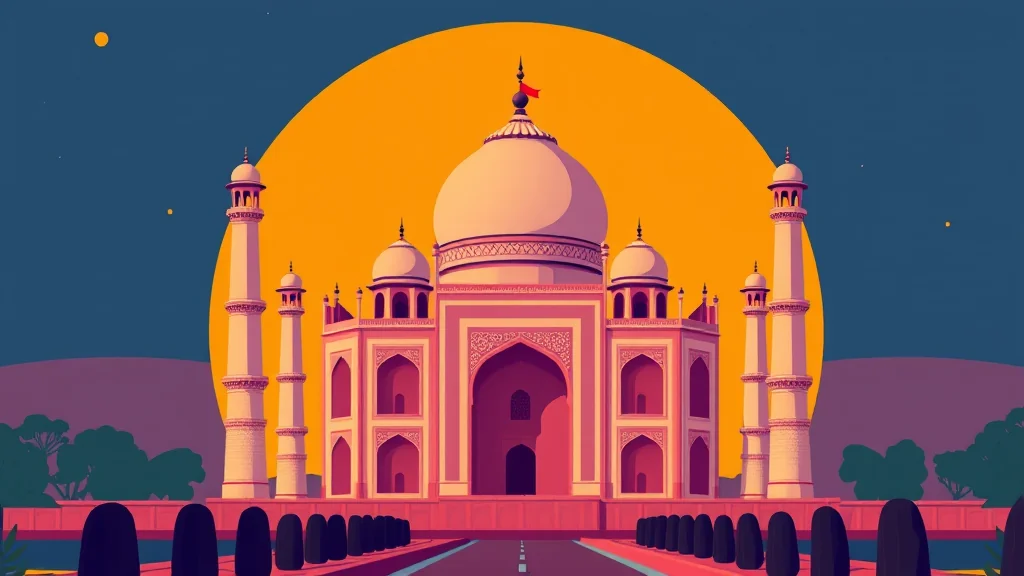
Unveiling the Enchantment: The Taj Mahal
The Taj Mahal, a masterpiece of Mughal architecture in Agra, India, is trending as an iconic symbol of love and architectural brilliance. This monumental structure has captured hearts globally with its timeless beauty and rich history, drawing millions of visitors each year.
A Monument of Love
Built by Emperor Shah Jahan in memory of his beloved wife Mumtaz Mahal who died in childbirth, the Taj Mahal stands as a testament to eternal love. It took more than 20 years and thousands of workers from across Asia to complete this magnificent structure.
Architectural Marvel
The Taj Mahal's unique blend of Persian, Islamic, Turkish, and Indian architectural styles makes it one of the finest examples of Mughal architecture. Its stunning white marble exterior is adorned with intricate carvings, calligraphy, and precious gemstones. The symmetry and geometric precision of its design are truly awe-inspiring.
Why It's Trending Now
The Taj Mahal has recently seen a surge in interest due to social media campaigns highlighting its beauty and historical significance. Recent restoration efforts have also drawn attention, showcasing the ongoing commitment to preserving this architectural wonder for future generations.
- Restoration Projects: Ongoing efforts aim to protect the Taj Mahal from environmental damage caused by pollution.
- Cultural Significance: The monument remains a powerful symbol of India's rich cultural heritage and is celebrated in literature, art, and film worldwide.
What to Expect Next
In the coming years, expect more initiatives focused on sustainable tourism practices around the Taj Mahal. UNESCO has partnered with local authorities to promote responsible travel that preserves the site's integrity while enhancing visitor experience. Additionally, virtual tours and augmented reality applications may offer new ways for people to explore this iconic landmark.