The Ongoing Conflict in Ukraine: Impacting Global Stability
The ongoing conflict in Ukraine has become a focal point of global attention, with far-reaching consequences that extend beyond Eastern Europe to affect international relations, economic stability, and geopolitical dynamics worldwide. As the war continues, it highlights the urgent need for diplomatic solutions and underscores the complexities involved in resolving such conflicts.
What is the Conflict About?
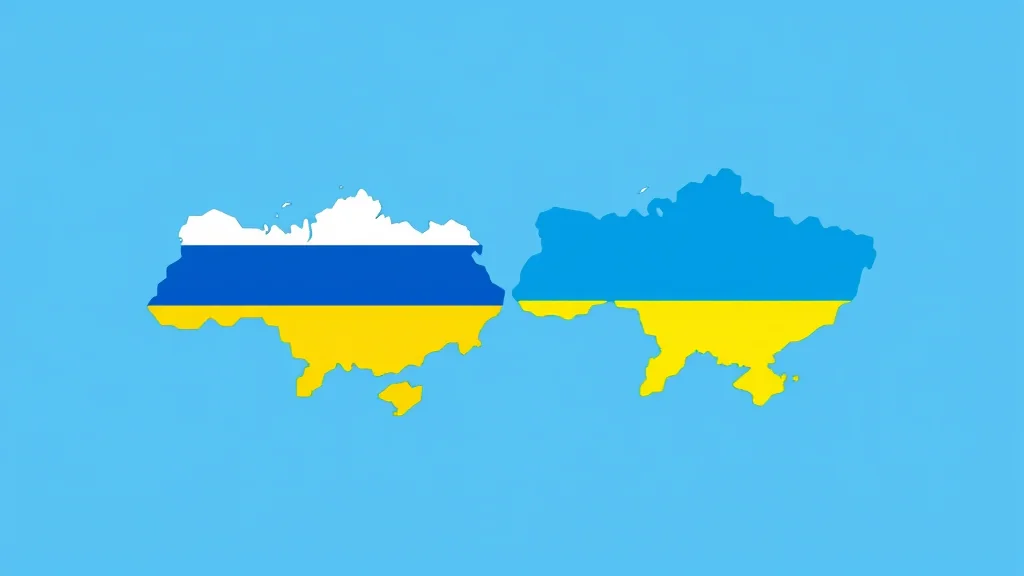
The conflict began in 2014 when Russia annexed Crimea from Ukraine and supported separatist rebels in eastern Ukraine's Donetsk and Luhansk regions. This led to a full-scale invasion by Russian forces in February 2022, further escalating tensions.
At its core, the conflict is rooted in historical, cultural, and political differences between Russia and Ukraine, as well as broader geopolitical power struggles involving NATO and the European Union. The annexation of Crimea was a significant breach of international law and sovereignty, leading to widespread condemnation from the global community and economic sanctions against Russia.
Why is it Trending Now?
The current surge in interest around the Ukraine war reflects several key developments:
- Escalation of Hostilities: Recent battles have intensified, with both sides suffering significant casualties and infrastructure damage. The Russian military's operational challenges and Ukrainian resistance are driving media coverage.
- Diplomatic Efforts: High-level diplomatic meetings and negotiations continue to occur, aiming for a ceasefire and long-term peace agreements. These talks often attract global media attention as they represent potential turning points in the conflict.
- Economic Implications: Sanctions against Russia have had ripple effects on global markets, affecting energy prices, trade relations, and financial stability. Economic concerns are increasingly intertwined with geopolitical considerations.
Key Details
The Ukraine war has several critical aspects that contribute to its global impact:
- Russian Military Strategy: Russia's use of unconventional warfare tactics, including cyberattacks and propaganda efforts, complicates traditional military engagements.
- International Support for Ukraine: NATO allies and other countries have provided military aid, humanitarian assistance, and diplomatic support to Ukraine. This solidarity has bolstered Ukrainian resilience but also heightened tensions with Russia.
- Refugee Crisis: The conflict has displaced millions of people within Ukraine and neighboring countries, straining local resources and prompting international relief efforts.
What to Expect Next
The future trajectory of the Ukraine war is uncertain but likely to be shaped by several factors:
- Diplomatic Breakthroughs or Setbacks: Continued negotiations may lead to significant agreements, while failures could result in renewed hostilities.
- Economic Consequences: Sanctions and countermeasures will continue to impact global markets, with potential for long-term changes in energy supply chains and trade policies.
- Technological Advancements: Both sides are likely to employ more advanced technologies such as drones, cyber warfare tools, and AI-driven intelligence systems, influencing the nature of future conflicts.
In conclusion, the Ukraine war stands as a critical test case for international diplomacy, humanitarian response, and global economic resilience. Its resolution will set important precedents for addressing similar crises worldwide, emphasizing the need for coordinated efforts to promote peace and stability on an international scale.