The world continues to evolve, bringing with it innovative ways to cope with and celebrate life's most profound moments. One such recent development is the rise of virtual funerals, a trend that has garnered significant attention as society grapples with new norms in mourning and remembrance.
What Are Virtual Funerals?
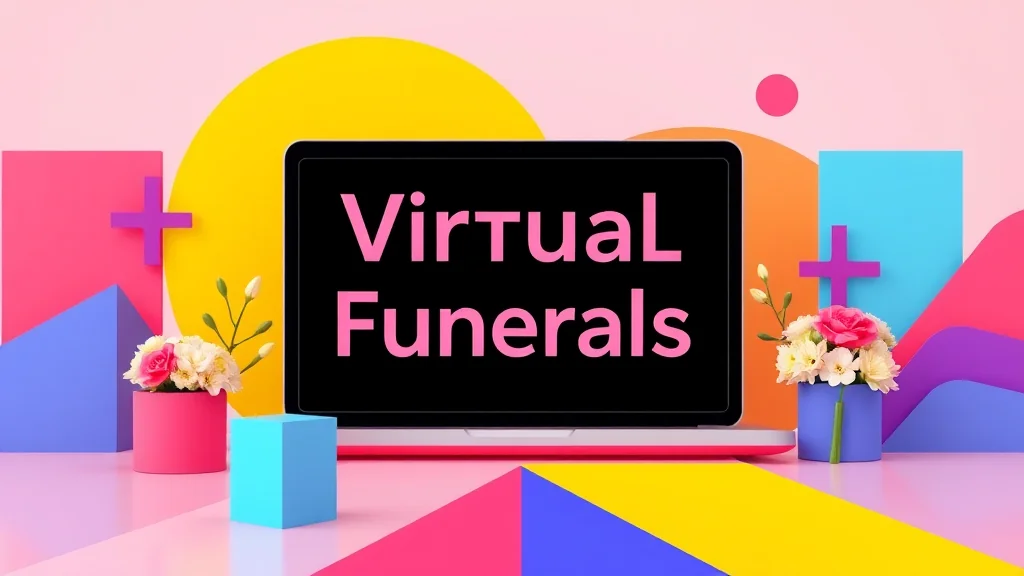
A virtual funeral is an online memorial service where loved ones gather to mourn and celebrate the life of someone who has passed away. These events can take place through video conferencing platforms, social media groups, or dedicated websites designed for digital memorials. Participants may include family members, friends, colleagues, and even distant acquaintances.
Why Are Virtual Funerals Trending Now?
The recent global pandemic has accelerated the adoption of virtual funerals due to physical distancing measures and travel restrictions. However, beyond these immediate challenges, there are several underlying factors driving this trend:
- Accessibility: Virtual funerals make it easier for people from all over the world to participate in a memorial service without logistical constraints.
- Inclusivity: They offer opportunities for individuals with disabilities or health concerns, who might not be able to attend traditional services.
- Cost-effectiveness: Hosting an online ceremony can significantly reduce expenses associated with organizing and attending in-person events.
Key Details About Virtual Funerals
Virtual funerals often incorporate elements similar to those found at traditional ceremonies:
- Celebration of Life Videos: Pre-recorded clips showcasing the deceased's accomplishments, favorite moments, and personal anecdotes.
- Virtual Tributes: Participants share their thoughts and memories through text messages, videos, or voice recordings.
- Online Memorials: Websites dedicated to preserving the legacy of the departed with biographical information, photographs, and guestbook entries.
The Future of Virtual Funerals: What to Expect Next?
As technology advances and societal attitudes towards death continue to shift, we can anticipate further developments in this space:
- Innovative Platforms: The emergence of specialized platforms that enhance the user experience by offering more interactive features.
- Hybrid Ceremonies: Combining elements of both virtual and traditional funerals to cater to diverse needs and preferences.
- Increased Acceptance: As this trend gains traction, societal norms will likely adapt to accommodate these practices more widely.
The rise of virtual funerals represents a significant shift in how we approach death and remembrance. By embracing the digital age, we open up new avenues for honoring loved ones while fostering connections across distances and cultures alike.