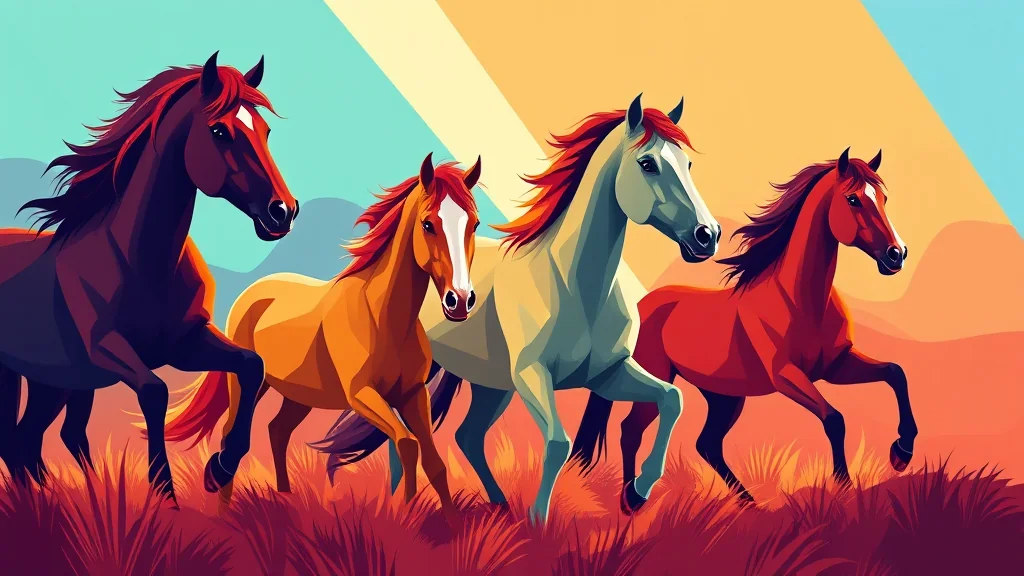
The Untamed Spirit: Wild Horses as American Heritage
Wild horses, also known as mustangs, roam freely across the vast landscapes of America's western states, embodying a fierce spirit that captivates people around the world. These animals are not only a symbol of freedom and resilience but also represent a significant piece of American heritage.
The Symbolism of Wild Horses
Wild horses hold deep cultural significance in the United States, often associated with pioneering spirit, independence, and rugged landscapes. Their presence evokes images of cowboys, open ranges, and untamed wilderness, making them a powerful symbol for many Americans.
The Current Trend
Recently, wild horses have garnered increased global attention due to ongoing conservation efforts and debates surrounding their management. These discussions highlight the complex relationship between wildlife preservation and human interests, touching on issues of land use, ecosystem balance, and animal welfare.
Conservation Efforts
The Bureau of Land Management (BLM) is responsible for managing wild horse populations across federal lands in the western United States. Recent trends include debates over population control methods such as contraception programs versus roundups and adoptions, reflecting broader conversations about sustainable wildlife management.
Key Details
- Cultural Impact: Wild horses play a crucial role in American folklore and art, appearing frequently in literature and film.
- Ecosystem Role: Mustangs contribute to biodiversity by influencing plant growth patterns and maintaining ecosystem health.
- Literature & Media: Books like The Mustang and documentaries focus on the plight of these animals, raising awareness globally.
- Tourism: Wild horse viewing tours are a popular attraction in states such as Nevada, Wyoming, and Montana.
What to Expect Next?
The future for wild horses remains uncertain, with ongoing debates over the best methods of conservation. Increasing public awareness through social media campaigns, documentaries, and educational programs could shift public opinion towards more humane management practices.
Advocacy groups are pushing for legislative changes that prioritize wildlife preservation while addressing human needs. Expect continued discussions on balancing the interests of ranchers, developers, and conservationists as wild horses continue to be a contentious issue in American society.