The Zika Virus Mosquito: A Global Threat Resurfacing
As summer approaches, concerns are rising once again regarding the Zika virus mosquito. This tiny insect, scientifically known as Aedes aegypti, continues to pose a significant health threat in multiple regions around the world. With recent trends indicating an uptick in reported cases and increased public interest, it’s crucial to understand the current state of this ongoing issue.
What is the Zika Virus Mosquito?
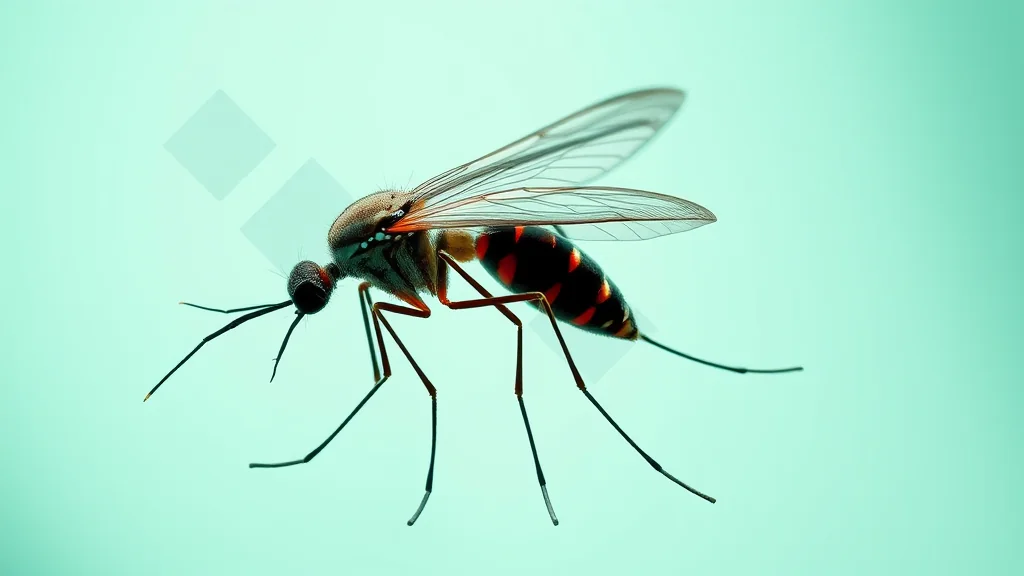
The Aedes aegypti mosquito is primarily responsible for transmitting the Zika virus. These mosquitoes are found in tropical and subtropical regions worldwide, including parts of Africa, Asia, South America, Central America, North America (particularly southern states), and the Caribbean. They thrive in warm climates and breed in standing water.
Why Is It Trending Now?
The resurgence of interest in the Zika virus mosquito can be attributed to several factors:
- Climatic Conditions: Warmer weather conditions, especially during summer months, provide ideal breeding grounds for these mosquitoes.
- Public Health Alerts: Recent public health announcements and updates have highlighted the ongoing risk of Zika virus transmission in various regions.
- Social Media Buzz: Increased social media discussions and news coverage are drawing attention to the potential dangers posed by the Zika virus mosquito.
Key Details About the Threat
The Zika virus, transmitted primarily through bites from infected Aedes aegypti mosquitoes, can lead to serious health complications, particularly in pregnant women. Here are some critical points:
- Pregnancy Risks: Pregnant women who contract the Zika virus face increased risks of fetal brain defects and other developmental issues.
- Infection Symptoms: Common symptoms include fever, rash, joint pain, conjunctivitis (red eyes), muscle pain, and headache. However, many people infected with Zika may not experience any symptoms at all.
- Transmission Routes: While mosquito bites are the primary mode of transmission, the virus can also spread through sexual contact and blood transfusions.
- Global Impact: The Zika virus has affected numerous countries worldwide, with notable outbreaks occurring in Brazil, Puerto Rico, Mexico, and other regions.
Prevention Measures and What to Expect Next
To mitigate the risks associated with the Zika virus mosquito, individuals should take proactive steps:
- Bite Prevention: Use insect repellent, wear long sleeves and pants, especially during peak biting hours (dawn and dusk).
- Eliminate Standing Water: Regularly clean gutters, empty flower pots, and other items that can collect water to reduce mosquito breeding sites.
- Stay Informed: Follow local health advisories and stay updated on Zika virus trends through trusted sources such as the CDC and WHO.
In addition to these measures, continued research into vaccines and better treatment options remains crucial. Public health officials are closely monitoring the situation and will likely implement additional safety protocols in regions experiencing heightened risks.
As summer progresses and more people venture outdoors, awareness of the Zika virus mosquito threat is essential for safeguarding public health on a global scale.