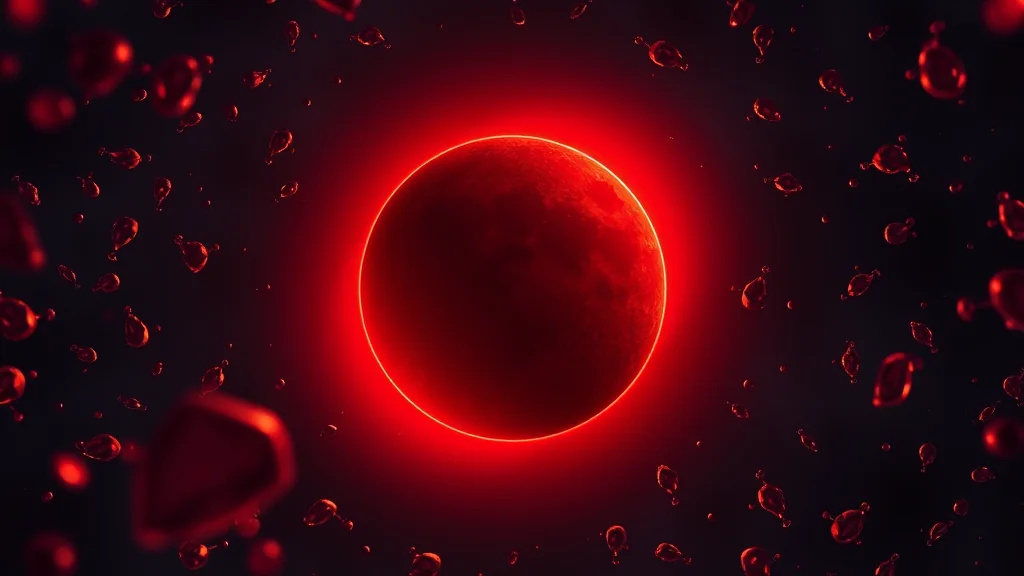
What is a Blood Moon Lunar Eclipse?
A blood moon lunar eclipse occurs when the Earth passes between the Sun and the Moon, casting its shadow on the Moon's surface. This phenomenon creates a reddish hue, often referred to as the 'blood moon,' due to the way sunlight filters through Earth’s atmosphere during totality.
Why is it Trending Now?
The recent surge in interest around blood moon lunar eclipses stems from their rare occurrence and spectacular visual appeal. Social media platforms are abuzz with stunning photographs, time-lapse videos, and live streams capturing the event. People worldwide are eager to witness this celestial spectacle, making it a trending topic across various social channels.
Key Details About Blood Moon Lunar Eclipses
- Frequency: Total lunar eclipses can occur multiple times in a year but are not always visible from every location on Earth due to the specific positioning of celestial bodies.
- Cultural Significance: Throughout history, lunar eclipses have held significant cultural and religious importance. Ancient civilizations often viewed these events with awe or fear.
- Astronomical Conditions: A blood moon is more noticeable during a total lunar eclipse when the Moon enters Earth’s umbra (the darkest part of its shadow).
- Visibility: Unlike solar eclipses, which are only visible from specific locations on Earth at one time, lunar eclipses can be seen by anyone with clear skies who is within view of the Moon.
What to Expect Next?
The next blood moon lunar eclipse will offer another chance for skywatchers around the globe to observe this magnificent natural event. Astronomical societies and space agencies often provide detailed predictions and viewing tips, enhancing public interest and engagement.
In addition to watching live streams or participating in local astronomy events, enthusiasts can also contribute to citizen science projects by documenting their observations of lunar eclipses. This not only helps in scientific research but also fosters a community among amateur astronomers and space enthusiasts worldwide.