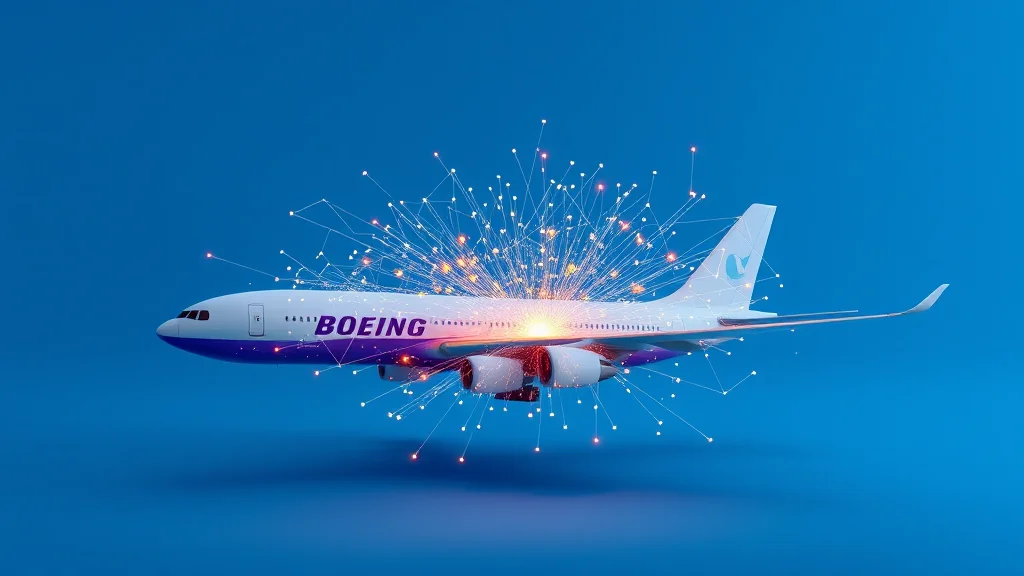
The Boeing 747, a pioneering jetliner that revolutionized long-haul air travel, has reached the end of its production line after over five decades in service. This landmark event is stirring up nostalgia among aviation enthusiasts and raising questions about the future direction of commercial aircraft manufacturing.
What Is It?
The Boeing 747, affectionately known as the 'Queen of the Skies,' was introduced by Boeing in 1968. This iconic jetliner was not only the world's first wide-body airliner but also became a symbol of technological innovation and luxury in air travel. The 747 was designed to accommodate more passengers and cargo, setting new standards for airline efficiency.
Why Is It Trending Now?
The recent announcement that Boeing will cease production of the iconic 747 has garnered significant attention worldwide. This decision marks a poignant moment in aviation history as the aircraft that defined an era is being phased out to make way for more modern and fuel-efficient models.
Nostalgia Among Aviation Enthusiasts
The 747's departure from production lines has reignited fond memories among pilots, cabin crew, and aviation aficionados. Many recall the elegance of flying in a 747 or marveling at its massive hump-shaped upper deck, which was initially intended to serve as a fuel storage area but later became an iconic feature for passenger seating.
Concerns About Future Air Travel
The end of production also raises concerns about the future of air travel. The 747 has been integral not only in commercial aviation but also in military and cargo transport operations, including its use as an Air Force One for US presidents.
Key Details
- Total Units Produced: Over 1,500 units since the first delivery to Pan American World Airways in 1970.
- Famous Variants: The 747-8 Intercontinental and Cargo models that succeeded earlier versions like the 747-200B and 747-300.
- Innovative Features: The 747 introduced features such as an upper deck for passenger seating, a cargo hold capable of handling large freight containers, and advanced navigation systems that set new standards in aviation technology.
What to Expect Next
The transition from the 747 to newer models will continue to reshape global air travel. Boeing has already introduced successors like the 787 Dreamliner and the 777X, which offer enhanced fuel efficiency and passenger comfort.
Airline fleets around the world are gradually phasing out older aircraft in favor of these new models. However, many airlines will continue to operate their 747s for years due to their reliability and adaptability to various roles, including cargo operations where they remain a preferred choice.
As the last newly manufactured Boeing 747 rolls off the assembly line, it marks an end to an era but also signals new beginnings in aviation technology. The legacy of the Queen of the Skies will endure long after production ceases, inspiring future generations of engineers and pilots alike.