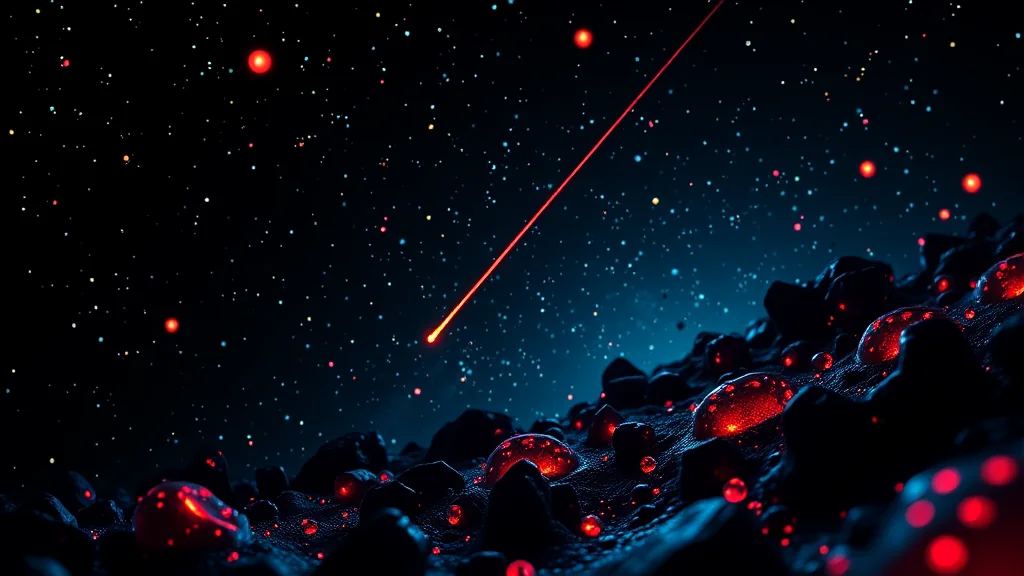
Delta Aquariids Meteor Shower: A Cosmic Spectacle to Watch Out For
The Delta Aquariids meteor shower is making waves in the stargazer community as it reaches its peak, offering an awe-inspiring celestial display that can be observed from many parts of the world. This annual event promises a mesmerizing show for both amateur and seasoned astronomers alike.
What Is the Delta Aquariids Meteor Shower?
The Delta Aquariids meteor shower is one of several prominent meteor showers that light up our night skies each year. Originating from the debris left behind by Comet 96P/Machholz, these meteors appear to radiate from the constellation Aquarius, specifically near the star Delta Aquarii.
Unlike some other major meteor showers like the Perseids or Geminids, which produce a peak of activity over one night, the Delta Aquariids are known for their gradual build-up and decline in intensity. The shower is active from July 14 to August 18 but reaches its peak around July 29-30 each year.
Why Is It Trending Now?
The current trend of the Delta Aquariids meteor shower has gained significant traction due to its predictable timing and the fact that it coincides with summer vacation periods when more people are outdoors and looking up at night skies. Social media platforms like Twitter and Instagram have been abuzz with stunning images and videos from observers across different time zones.
Moreover, the increasing popularity of stargazing among younger audiences has helped elevate this event's profile. With various astronomy clubs organizing viewing events and online communities sharing tips on optimal locations and viewing techniques, the Delta Aquariids have become a focal point for amateur astronomers and casual observers alike.
Key Details to Know
- Radiant Point: Near the star Delta in the constellation Aquarius.
- Meteor Count: Typically, viewers can expect around 15-20 meteors per hour at peak times.
- Moon Phase: The moon will be a waxing crescent during this year's peak, which means less light pollution and better visibility of the fainter meteors.
- Optimal Viewing Time: Late night to just before dawn offers the best conditions.
What Can You Expect Next?
The Delta Aquariids may be fleeting, but they pave the way for other notable celestial events such as the Perseid meteor shower in August. Observers are encouraged to keep their eyes on the sky and take advantage of dark, clear nights.
In addition, the trend towards citizen science projects involving meteors continues to grow. Many organizations invite observers to report sightings via dedicated apps or websites, contributing valuable data that aids scientific research.