Devastating Wildfires Sweep Across the US: What's Causing Them?
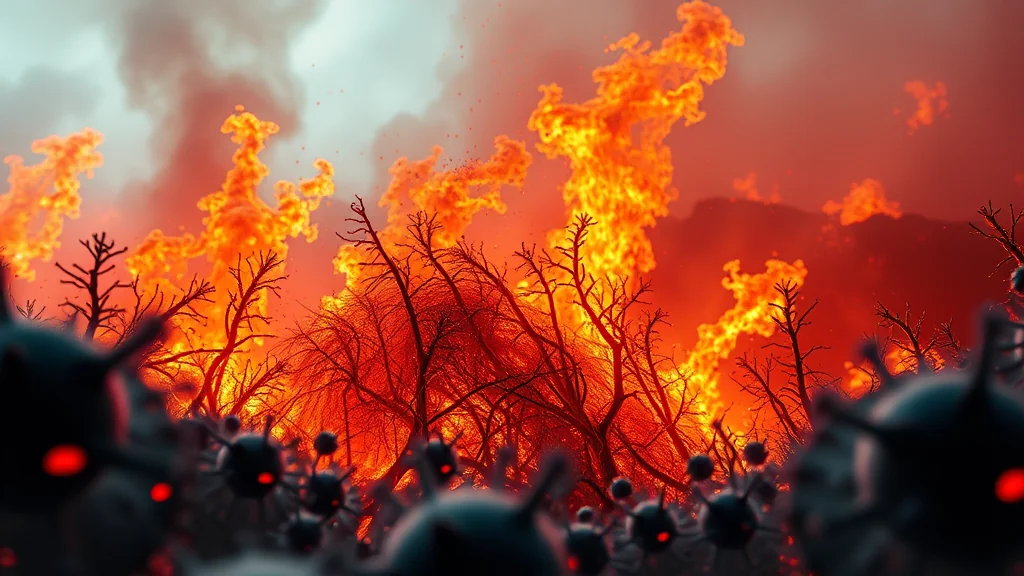
The United States is currently grappling with a series of severe wildfires that have drawn global attention due to their extensive scale and significant impact on local communities. These fires not only pose immediate threats but also underscore the critical role climate change plays in exacerbating natural disasters.
Why Is This Trending Now?
The current wave of wildfires has garnered widespread media coverage and public concern due to their unprecedented scale and intensity. With several regions experiencing record-breaking temperatures and drought conditions, these fires have become a stark reminder of the urgent need for climate action.
Key Details
Location: Wildfires are currently raging in multiple states across the US, including California, Oregon, Washington, and Colorado. Each region faces unique challenges due to varying environmental conditions and topography.
- Cause: While lightning strikes can initiate wildfires, human activities such as unattended campfires, discarded cigarettes, and power line failures are also significant contributors. However, the underlying factor driving these fires is climate change, which has led to prolonged droughts, higher temperatures, and increased fuel loads in forests.
- Impact: The immediate impacts include loss of life, destruction of property, displacement of residents, and damage to wildlife habitats. Additionally, wildfires release large amounts of carbon dioxide into the atmosphere, further exacerbating global warming.
What To Expect Next?
As climate change continues to intensify, experts predict that wildfires will become more frequent and severe in many parts of the world. Communities must adapt by implementing stricter fire safety measures, enhancing early warning systems, and investing in sustainable land management practices.
- Adaptation: Local governments are already taking steps to mitigate risks through controlled burns, prescribed fires that help reduce fuel loads, and improved firefighting technology. However, broader societal changes, such as reducing carbon emissions and transitioning to renewable energy sources, remain crucial for long-term solutions.
- Global Response: The ongoing wildfire crisis is prompting international discussions on climate policy and environmental stewardship. Governments are under pressure to commit to more ambitious targets for greenhouse gas reductions and collaborate globally to address the shared threat of climate change.
In conclusion, while wildfires have always been a part of many ecosystems, their current magnitude and frequency highlight the urgent need for comprehensive action on climate change. By understanding the root causes and working towards sustainable solutions, we can hope to reduce the devastating impact of future wildfires.