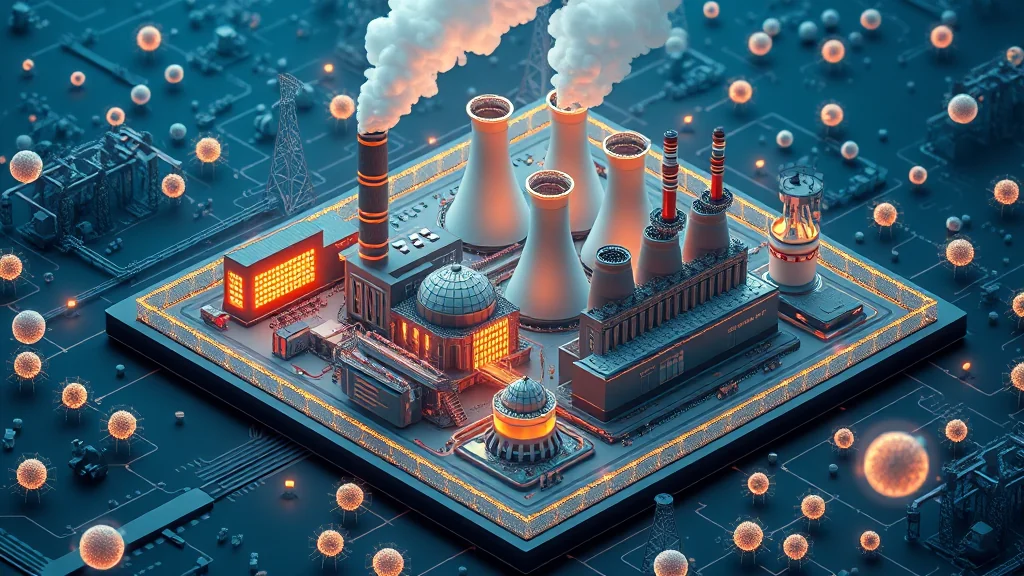
Germany's Energiewende: The Green Energy Transition Plan
Energiewende, which translates to 'energy transition' in English, is a monumental initiative undertaken by Germany aimed at shifting the country’s energy supply to renewable sources. This ambitious project has garnered global attention due to its significant impact on climate change policies and sustainable development goals.
What Is Energiewende?
Energiewende is a comprehensive strategy designed to transform Germany's energy sector from one that relies heavily on fossil fuels and nuclear power towards renewables such as wind, solar, hydroelectric, and biomass. The goal of this transformation is not only to reduce greenhouse gas emissions but also to enhance the security and sustainability of the nation’s energy supply.
Why Is Energiewende Trending Now?
The recent surge in interest around Energiewende can be attributed to several factors. Firstly, Germany's progress towards its 2050 climate targets has been closely watched by other nations seeking to emulate this model for their own green transitions. Secondly, the ongoing global discussions on climate change and sustainability have highlighted the importance of ambitious national policies like Energiewende.
Key Details About Energiewende
- History: The concept of an energy transition began to take shape in the early 2000s but gained momentum following the Fukushima nuclear disaster in Japan, which led Germany to phase out its own nuclear power plants.
- Goals: By 2030, Germany aims for at least a 65% share of renewable energy in electricity consumption and an overall reduction of greenhouse gas emissions by 55% compared to 1990 levels. The long-term vision is to achieve carbon neutrality by 2050.
- Challenges: Despite its success, Energiewende faces challenges including grid stability issues due to fluctuating renewable energy supply and the cost of transitioning infrastructure.
What Can We Expect Next?
In light of recent developments and ongoing discussions at international forums such as COP26, Energiewende is likely to continue evolving. Future plans may include further investment in renewable technologies like offshore wind farms and solar panels, improved energy storage solutions, and enhanced cooperation with neighboring countries for a more integrated European green power grid.
As Germany navigates these changes, its experiences offer valuable insights for other nations committed to reducing their carbon footprints through sustainable practices. Whether you're an environmental enthusiast or simply curious about global climate initiatives, keeping an eye on Energiewende will undoubtedly provide fascinating perspectives on the future of energy production.