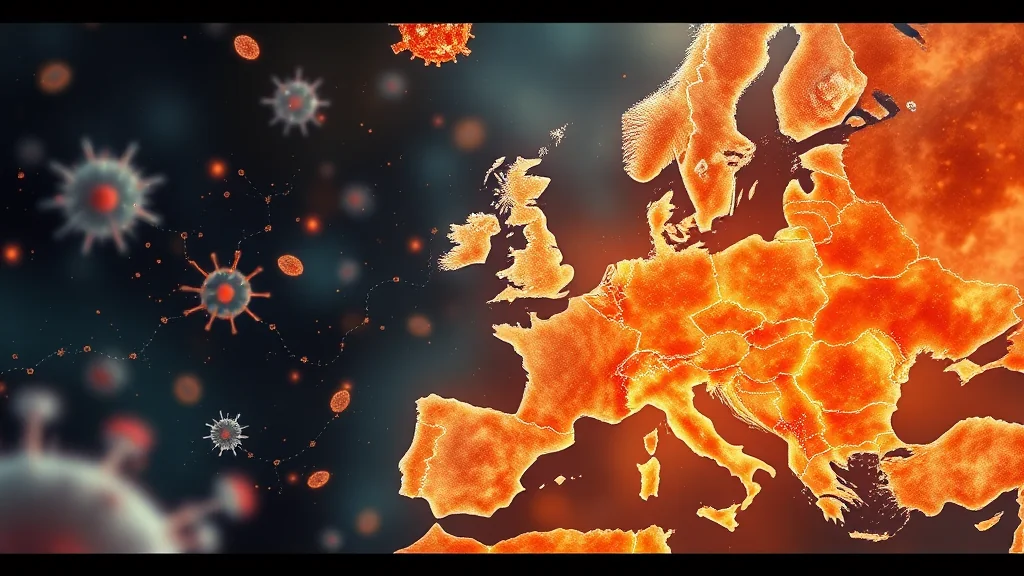
Heatwave Sweeps Across Europe: What You Need to Know
A severe heatwave is currently affecting Germany and other parts of Europe, leading to public health concerns and increased energy consumption. This trend highlights the growing impact of climate change on daily life.
What Is It?
The current heatwave in Europe is characterized by unusually high temperatures that have persisted for several days, with some regions experiencing record-breaking heat. In Germany, temperatures have soared above 40 degrees Celsius (104 degrees Fahrenheit), causing widespread discomfort and potential health risks.
Why Is It Trending Now?
The severity of the current heatwave has made it a significant topic of discussion on social media, news outlets, and search engines. People are seeking information about how to stay safe during extreme temperatures and understanding the broader implications for climate change.
Key Details
- Health Concerns: The heatwave poses a serious threat to vulnerable populations, such as elderly individuals and those with pre-existing medical conditions. Heat exhaustion and heat stroke are common risks during prolonged high-temperature periods.
- Economic Impact: Increased energy consumption due to higher usage of air conditioning and cooling systems has put additional strain on power grids, leading to potential blackouts or brownouts in some areas.
- Agricultural Challenges: Extreme heat can damage crops and livestock, impacting food security and economic stability. Farmers are facing unprecedented challenges as they try to adapt their practices to cope with the changing climate.
- Environmental Impact: The heatwave has exacerbated issues such as drought conditions and wildfires, further stressing ecosystems already under threat from global warming.
What to Expect Next?
The current heatwave is part of a larger trend of increasingly frequent and severe weather events linked to climate change. As temperatures continue to rise globally, Europe and other regions can expect more intense and prolonged periods of extreme heat in the future.
How to Stay Safe During Heatwaves
- Avoid Outdoor Exposure: Limit your time outside during peak hours when temperatures are highest. Plan activities for cooler parts of the day or indoors.
- Stay Hydrated: Drink plenty of water to prevent dehydration and heat exhaustion. Avoid excessive alcohol and caffeine, which can increase dehydration risks.
- Cool Your Home: Use air conditioning if available. If not, open windows at night to let cooler air in and close them during the day to keep warm air out.
- Check on Vulnerable People: Regularly check on elderly neighbors or family members who might be more susceptible to heat-related illnesses.
The current European heatwave serves as a stark reminder of the urgent need for action against climate change. As global temperatures continue to rise, it is crucial that individuals and governments take steps to mitigate these impacts and adapt to changing weather patterns.