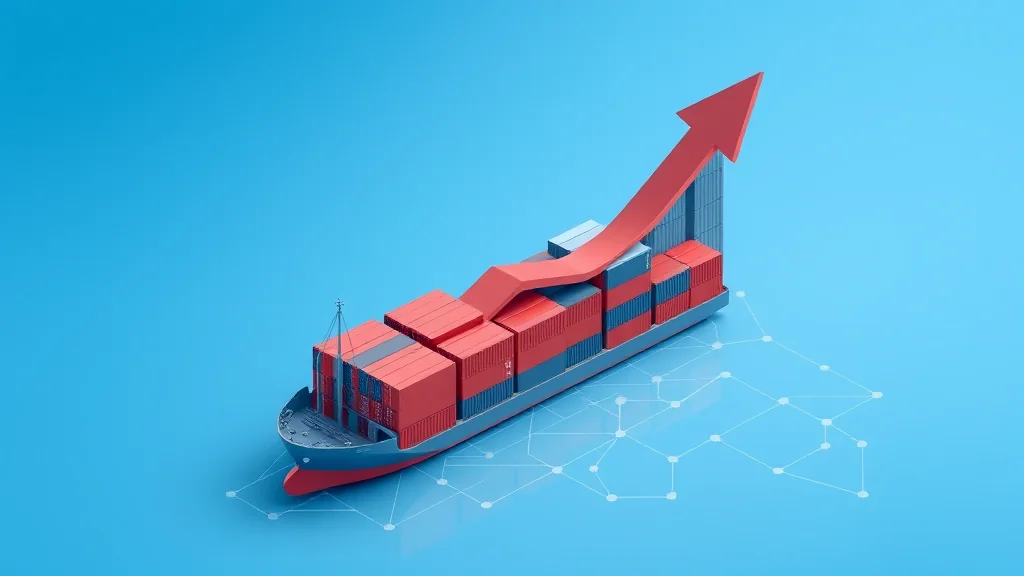
The Rising Tide: Container Shipping Rates Surge Amidst Hormuz Crisis
In recent months, the world has witnessed an unprecedented spike in container shipping rates, a trend largely attributed to escalating tensions in the Strait of Hormuz. This critical maritime chokepoint is not only crucial for global oil trade but also increasingly influential over international shipping routes and logistics networks.
What Is It?
The Strait of Hormuz connects the Persian Gulf to the Arabian Sea, making it one of the busiest waterways in the world. Over 20% of all globally traded crude oil passes through this narrow passage daily, along with significant volumes of liquefied natural gas (LNG). The strategic importance of this strait extends beyond energy resources; it also serves as a crucial route for container ships transporting goods between Asia and Europe.
Why Is It Trending Now?
The current surge in shipping rates can be traced back to heightened military activities and geopolitical tensions surrounding the Strait of Hormuz. Recent incidents involving Iran's Revolutionary Guard intercepting foreign vessels have raised concerns about potential disruptions to maritime traffic, leading shippers and insurers to reassess risk levels.
As insurance premiums for navigating through this region increase due to perceived threats from Iranian forces, shipping companies are faced with higher operational costs. These added expenses inevitably get passed on to the end consumers in the form of elevated tariffs on goods transported via container ships.
Key Details
- Economic Impact: The increased cost of shipping containers is likely to affect businesses relying heavily on imported materials or exporting manufactured products. This could lead to a ripple effect across various industries, including retail and manufacturing.
- Diversification Efforts: To mitigate risks associated with the Strait of Hormuz bottleneck, some companies are exploring alternative routes such as the Suez Canal or even overland transport via rail and truck services. However, these options often come at a higher cost and logistical complexity.
- Political Considerations: The U.S.-Iran standoff has introduced additional layers of uncertainty for international trade. Sanctions imposed by Western nations restrict transactions with Iranian entities, complicating supply chain management for businesses operating in the Middle East region.
What to Expect Next?
The future trajectory of container shipping rates will hinge largely on how the situation at the Strait of Hormuz evolves. A diplomatic resolution easing tensions would likely result in reduced insurance premiums and lower shipping costs, benefiting both exporters and importers worldwide.
Conversely, should conflicts escalate further, leading to more frequent disruptions or blockages within the strait, we may see prolonged periods of elevated shipping rates that could reshape global trade patterns and accelerate diversification efforts by major players in international commerce.