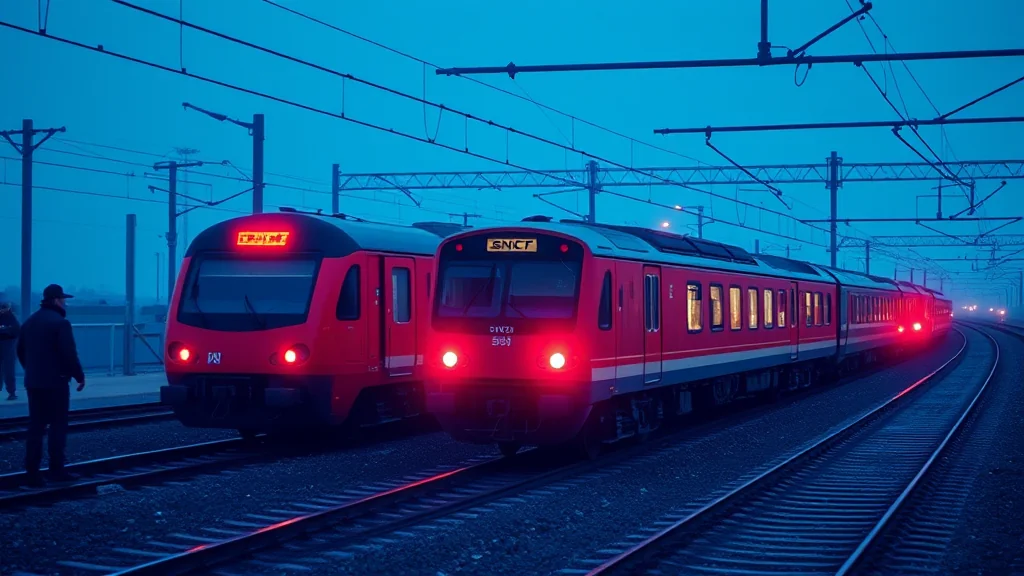
SNCF Strikes: French National Railways Workers Protest Over Wages And Working Conditions
The ongoing strikes by SNCF, France’s national railway company, have captured international attention due to their significant impact on transportation and the economy. These strikes are a result of long-standing disputes over wages and working conditions among railway workers.
What is It?
The current strike action by SNCF workers is part of a broader movement that has been building for several years. Railway employees across France have expressed deep dissatisfaction with their pay, workload, job security, and overall treatment within the company. The strikes involve not only train drivers but also maintenance staff, signal operators, and other essential personnel.
Why is it Trending Now?
The current wave of strikes has gained significant traction due to its widespread impact on daily life in France. With major cities like Paris experiencing severe disruptions to their rail networks, the issue has become a hot topic both domestically and internationally. The protests highlight the broader challenges facing public sector workers globally as they face increasing pressure from privatization efforts and economic austerity measures.
Key Details
- Dates: The strikes began in early 2024, with a series of rolling work stoppages affecting different regions each week.
- Reasons for Strikes: Railway workers cite low wages and poor working conditions as primary motivators. Many feel that despite their critical role in the economy, they are underpaid and overworked compared to other sectors.
- Involvement of Key Figures: The strikes have been organized by major labor unions representing railway employees, including SUD Rail and CGT Cheminots.
- Economic Impact: With around 30% of France’s rail network affected daily during peak times, the strikes are causing substantial economic losses. Businesses and individuals alike face significant disruptions to their travel plans.
What to Expect Next?
The future of these strikes remains uncertain as negotiations between SNCF management and union leaders continue without conclusive agreements. If the situation persists, there may be further escalation in protest actions or new rounds of talks aimed at reaching a compromise. Given the high stakes for both workers and commuters, finding a resolution that addresses the core issues is crucial.
As global trends show increased activism among public sector employees seeking better terms, the SNCF strikes serve as an important case study in labor rights and industrial relations on a national scale. This trend highlights the interconnectedness of transportation infrastructure with broader socio-economic factors.