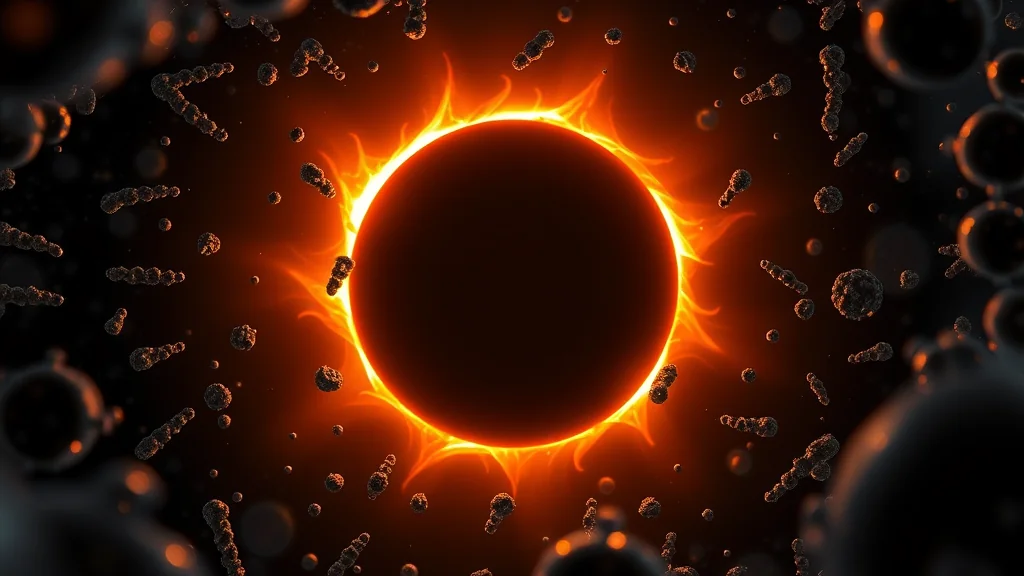
A cosmic phenomenon that has captured human imagination for millennia is making headlines once again: the solar eclipse.
What is a Solar Eclipse?
A solar eclipse occurs when the Moon passes between Earth and the Sun, casting a shadow on our planet. This celestial event can only happen during a new moon phase, when the Sun and Moon are aligned with Earth in a straight line. During a total solar eclipse, the Moon completely covers the Sun's disk, revealing the sun's outer atmosphere known as the corona.
Why is it Trending Now?
The recent surge in interest around solar eclipses can be attributed to several factors:
- Upcoming Events: A total solar eclipse visible from parts of South America will occur on April 8, 2024. This event is highly anticipated by astronomy enthusiasts and casual observers alike.
- Social Media Buzz: As the date approaches, social media platforms are abuzz with discussions about viewing tips, safety measures, and predictions from experts in the field of astronomy.
- Educational Value: Solar eclipses offer a unique opportunity to educate people about celestial mechanics and astronomical phenomena. Schools and educational institutions often use these events as a teaching tool.
Key Details About Solar Eclipses
Solar eclipses are rare occurrences, with an average of two to five happening each year somewhere on Earth. However, due to the geometry involved, the path of totality (the narrow band where a total eclipse can be seen) is usually only about 100 miles wide and covers less than 1% of Earth's surface.
Types of Solar Eclipses:
- Total: The Moon completely blocks the Sun, revealing its corona.
- Partial: Only part of the Sun is covered by the Moon.
- Annular: When the Moon appears smaller than the Sun's disk, creating a 'ring of fire' effect around it.
Safety Tips for Viewing Solar Eclipses
Viewing a solar eclipse directly without proper protection can cause serious eye damage. Here are some essential safety tips:
- Eclipse Glasses: Use certified eclipse glasses that meet the ISO 12312-2 international standard.
- Projector Method: A simple pinhole projector can be used to safely view the Sun's image on a surface without looking directly at it.
- Telescopes and Binoculars: Use them with certified solar filters, not regular sunglasses or exposed film.
What to Expect Next?
The upcoming total solar eclipse on April 8, 2024, will be visible from parts of Mexico, the United States, and Canada. This event is expected to draw millions of viewers who travel to optimal viewing locations.
Additionally, future events include a partial solar eclipse in August 2026 visible across Europe and Asia, and another total solar eclipse in December 2028 over parts of the Pacific Ocean, including Australia.