Subtropical Jellyfish Invasion: Understanding the Trend
The recent sightings of subtropical jellyfish in various coastal regions have sparked global interest, raising questions about their origins and potential impacts. This phenomenon is not only fascinating but also carries significant implications for marine ecosystems and human safety.
What Are Subtropical Jellyfish?
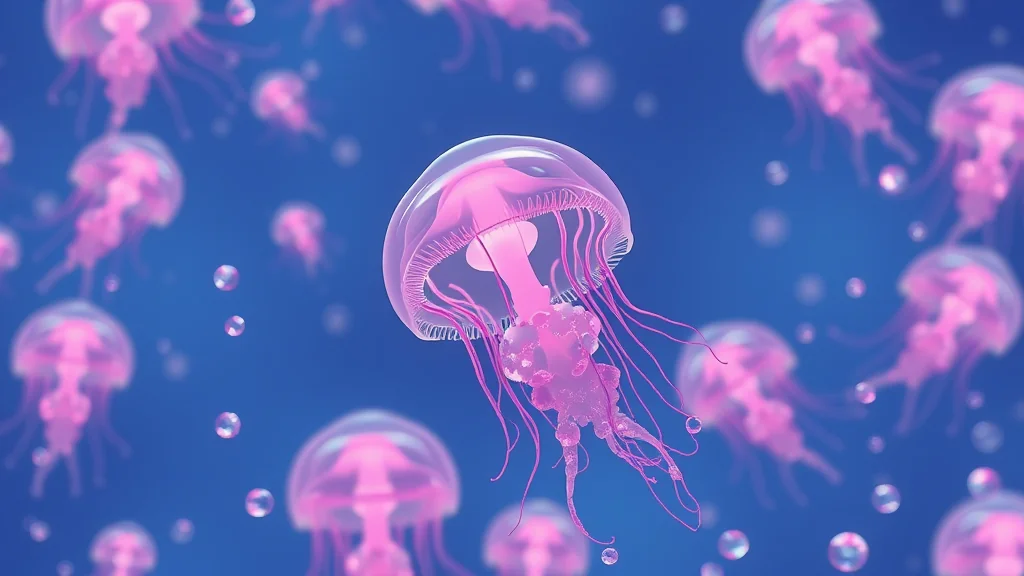
Subtropical jellyfish are species typically found in warmer waters of the Atlantic and Pacific Oceans. These gelatinous creatures come in various shapes and sizes, ranging from small moon jellies to larger species like the lion’s mane jellyfish.
Why Are They Trending Now?
The recent trend is due to an increase in sightings of subtropical jellyfish in cooler coastal waters where they are not usually found. This shift has raised concerns among scientists, environmentalists, and beachgoers alike.
Several factors contribute to this trend:
- Climatic Changes: Rising sea temperatures due to global warming are making it easier for subtropical species to migrate towards cooler regions.
- Ocean Currents: Changes in ocean currents can transport jellyfish far from their usual habitat, leading to unexpected appearances.
- Ecosystem Shifts: Alterations in marine ecosystems caused by human activities such as overfishing and pollution are creating conditions that favor the spread of subtropical species.
Key Details About Subtropical Jellyfish Invasions
The presence of these jellyfish has several important implications:
- Biodiversity Impact: The influx of subtropical species can disrupt local ecosystems, affecting native marine life.
- Fishing Industry Concerns: Jellyfish blooms can clog fishing nets and impact commercial fishing operations.
- Health Risks for Swimmers: While most jellyfish stings are harmless, some species carry potent venom that requires medical attention.
Local authorities often issue warnings to swimmers and beachgoers during peak jellyfish seasons. It's crucial for individuals to be aware of potential risks and take necessary precautions when entering the water.
What Can We Expect Next?
The trend of subtropical jellyfish invasions is likely to continue as global temperatures rise. Scientists predict that this phenomenon will become more common in the coming years, affecting a wider range of coastal regions globally.
To mitigate potential impacts, ongoing research into marine biodiversity and conservation efforts are essential. Public awareness campaigns can also help educate beachgoers about safety measures when encountering these creatures.
Conclusion
The subtropical jellyfish invasion is a striking example of how environmental changes can impact global ecosystems in unexpected ways. As we continue to observe this trend, it serves as a reminder of the interconnectedness of our planet's waters and the importance of sustainable practices.