Understanding the USMCA: The New NAFTA Agreement Explained
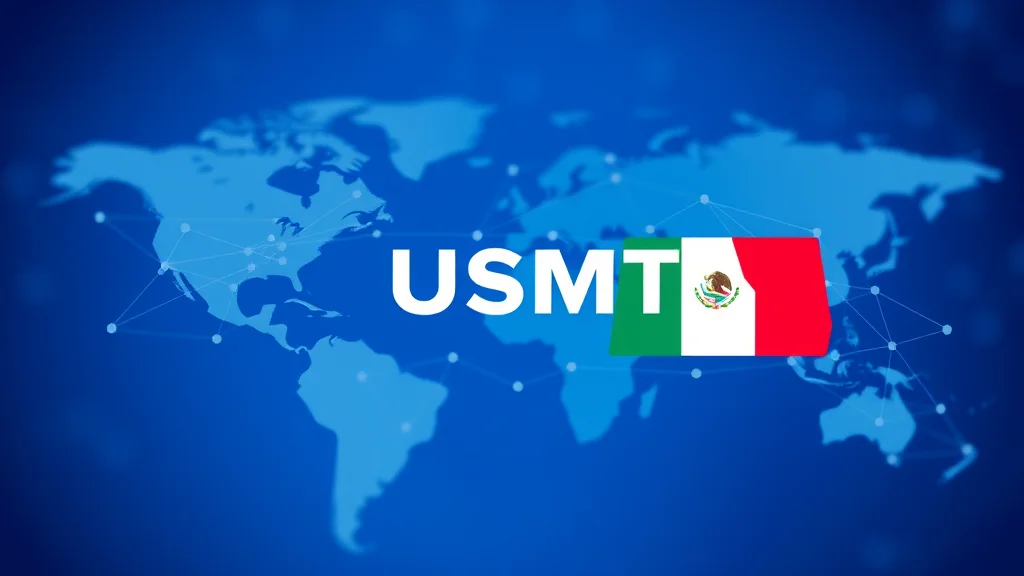
The United States-Mexico-Canada Agreement (USMCA) has recently gained significant attention as discussions intensify around its implementation and potential impacts on North American trade. As a successor to the North American Free Trade Agreement (NAFTA), the USMCA represents a major shift in economic policy for the three countries involved, promising both opportunities and challenges.
What is the USMCA?
The USMCA was signed on November 30, 2018, to replace the North American Free Trade Agreement (NAFTA), which had been in place since 1994. The agreement aims to modernize trade relations between the United States, Mexico, and Canada by addressing contemporary economic issues such as digital trade, intellectual property rights, labor standards, and environmental protections.
Key Differences from NAFTA
- Digital Trade: The USMCA includes provisions for cross-border data flows and online privacy, reflecting the growing importance of e-commerce in international trade.
- Labor Rights: It mandates enforceable labor protections, including measures to combat forced labor practices and ensure workers' rights are upheld across all three countries.
- Agricultural Trade: The agreement includes new quotas for dairy products imported from Canada into the US market, benefiting American farmers while maintaining Canadian supply management systems.
- Cultural Exemptions: It preserves cultural exceptions to protect domestic film and broadcasting industries in all three nations.
Why is it Trending Now?
The USMCA has recently become a trending topic due to ongoing discussions about its implementation phases, compliance requirements, and potential economic effects. Key issues under scrutiny include:
- Automotive Sector: The agreement imposes new rules of origin for auto parts manufacturing, aiming to increase production within North America but potentially raising costs.
- Labor Enforcement: There are debates over how effectively labor standards will be enforced across all three countries, particularly in Mexico where labor rights have historically been weaker compared to the US and Canada.
- Intellectual Property Rights: The agreement strengthens protections for intellectual property but also faces criticism from public health advocates concerned about increased drug costs due to extended patent terms.
What to Expect Next?
The full implementation of the USMCA is expected to bring significant changes to North American trade dynamics. Businesses and consumers can anticipate:
- Economic Stability: Continued economic ties between the three nations should help stabilize regional economies, though there are concerns about potential disruptions during transition periods.
- New Investment Opportunities: The agreement is likely to spur investment in sectors aligned with its provisions, such as renewable energy and technology startups.
- Ongoing Negotiations: Expect further negotiations on specific aspects of the deal, particularly regarding labor enforcement mechanisms and intellectual property protections.
In conclusion, the USMCA represents a significant evolution in North American trade policy, offering both opportunities and challenges for businesses and consumers. As implementation continues, stakeholders will need to stay informed about updates and adapt strategies accordingly.